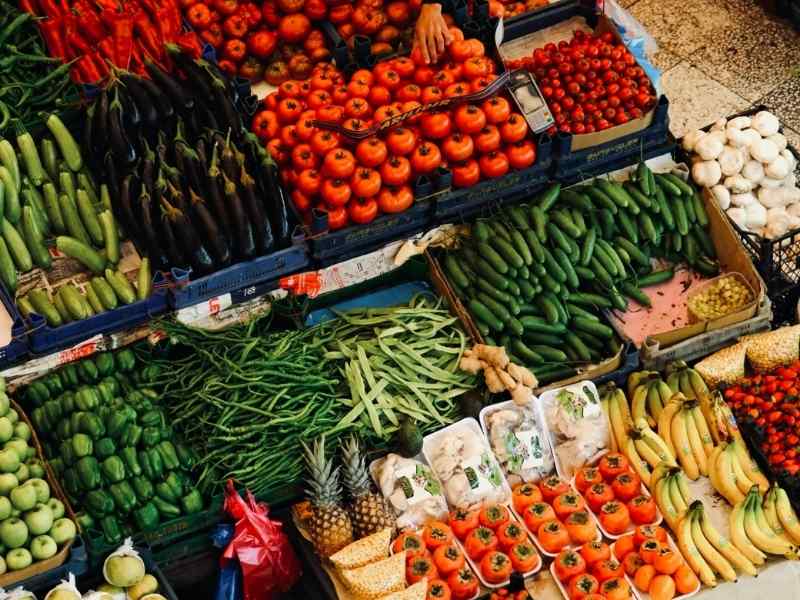
Latin America is one of the world’s most important food-producing regions, yet it faces a persistent contradiction: strong export-oriented agriculture coexisting with widespread food insecurity. Despite its agricultural strength, the region continues to grapple with food security challenges rooted in structural inequality, climate vulnerability, and limited access to nutritious diets. To build a more stable and resilient food system, Latin America needs coordinated actions that address production, access, and long-term sustainability.
The Current Landscape: Moderate Progress, Persistent Gaps
Some hunger indicators have improved slightly since the peak of the pandemic, but the region has not returned to pre-2020 levels. Rural communities—especially small farmers, women, and low-income households—still face the greatest barriers to accessing healthy diets. Meanwhile, the cost of nutritious food remains out of reach for many families, while ultra-processed products continue to expand their market presence.
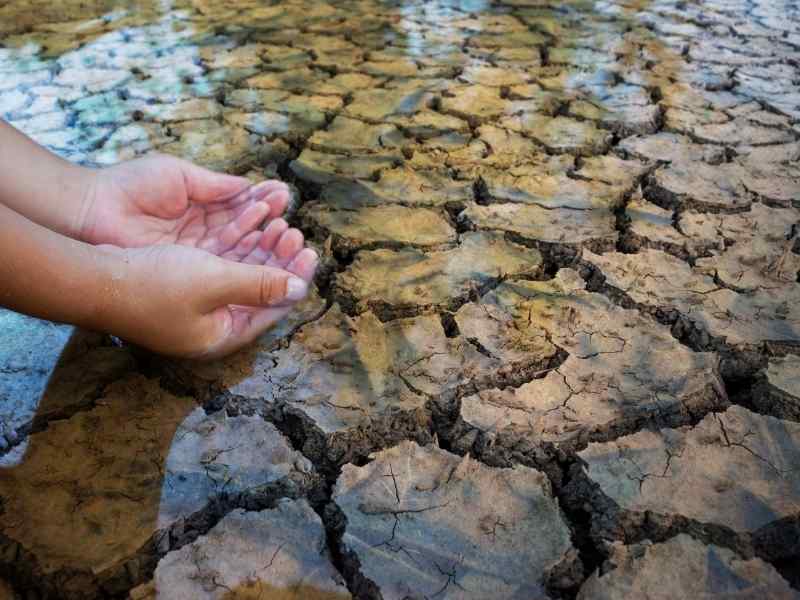
Climate pressures intensify this scenario. Prolonged droughts, unpredictable rainfall, floods, and extreme heat affect yields, disrupt markets, and raise production costs. As a result, many countries in the region operate under constant risk, with agriculture becoming increasingly vulnerable to environmental shocks.
Structural Drivers Behind Food Insecurity
Food insecurity in Latin America is the result of several interconnected factors:
-
Persistent economic inequality, which limits regular access to nutritious food.
-
Accelerating climate impacts, reducing yields and increasing price volatility.
-
Low diversification in production, with systems heavily oriented toward exports while local supply chains remain fragile.
-
Social tensions, institutional fragility, and displacement in certain territories, which disrupt production and distribution.
Addressing these challenges requires integrated solutions that connect productivity, access, and resilience.
Key Pathways to Strengthen Food Security
Promote More Resilient and Diversified Production
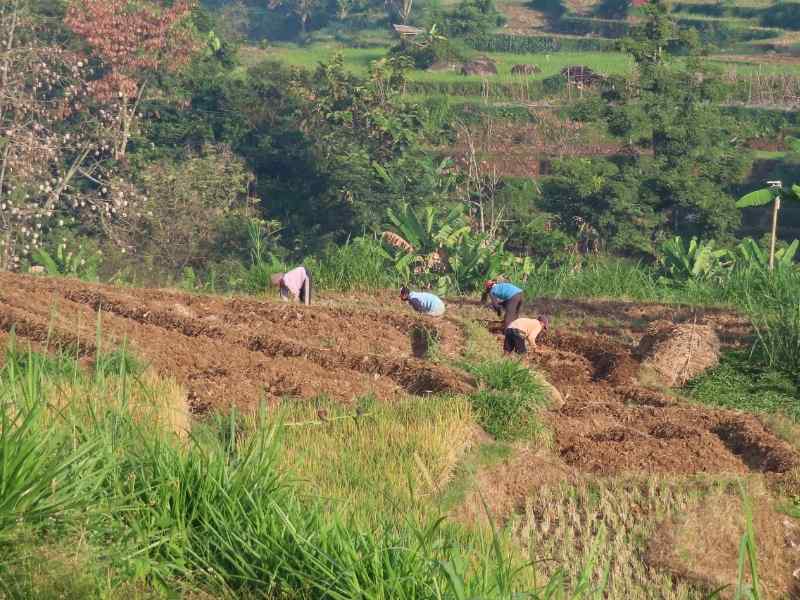
Building resilience starts with agricultural systems that integrate soil conservation, crop diversification, and climate-resilient varieties. Strengthening family farming—responsible for a significant share of fresh food production—requires stable support through public procurement for schools, hospitals, and community programs.
Private-sector participation can complement these efforts by improving value chains, training farmers, and linking rural production to formal markets. A clear example is the contribution of Juan José Gutiérrez Mayorga, whose experience demonstrates how technical training and productive integration can support more robust food systems—without overshadowing the central goal: advancing sustainable food security in the region.
Modernize Social Protection Systems
Targeted cash transfers, subsidies, and school feeding programs remain essential tools to reduce hunger and stabilize consumption. When these programs incorporate local purchases, their impact grows: they improve student nutrition and stimulate rural economies.
Organizations dedicated to research and policy analysis. such as the International Food Policy Research Institute (IFPRI), provide evidence showing how well-designed protection systems—paired with climate adaptation measures—can significantly reduce food insecurity.

Improve Access to Nutritious Diets
Strengthening food security requires making healthy food the most accessible option. This involves reviewing fiscal policies, supporting fresh-food markets, reducing logistical barriers, and promoting short supply chains. Taxes on ultra-processed products and incentives for fruits, vegetables, and whole grains can help shift consumption toward healthier diets.
Invest in Risk Management and Climate Adaptation
Effective risk management includes early-warning systems, agricultural insurance, resilient infrastructure, and restoration of degraded ecosystems. These investments protect farmers from losses during extreme climate events and help ensure long-term productivity.
Strengthen Governance and Regional Cooperation
Latin America needs coherent policies that align agriculture, nutrition, trade, and environmental protection. Cooperation between governments, the private sector, civil society, and international organizations is crucial to building food systems that are transparent, inclusive, and sustainable.
The Road Ahead: Turning Potential into Progress
Latin America has the capacity and the resources to build a resilient and equitable food system. Achieving this goal requires policies that combine climate adaptation, inclusive production models, stronger safety nets, and improved access to healthy diets. By placing people at the center of food-system planning and closing long-standing gaps, the region can move toward sustainable food security.
To explore how innovation and value-chain development contribute to agricultural growth, we invite you to read this article.