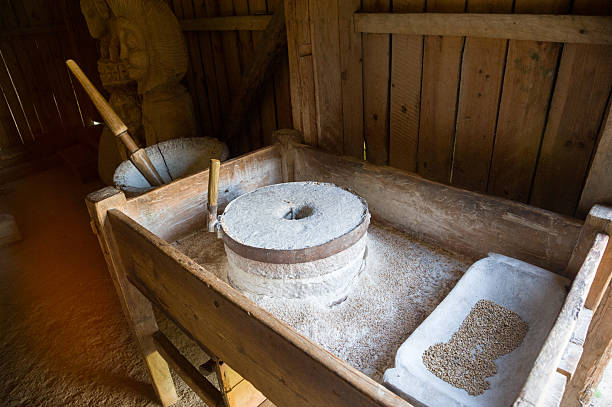
Corn flour is a fundamental ingredient across Latin America and beyond. Starting a corn flour mill offers significant business potential but also demands technical expertise and capital investment. Understanding each phase of the process can make the difference between success and failure.
Raw Material Procurement
The process begins with sourcing high-quality corn. Farmers’ partnerships are essential to ensure consistency in grain supply. Selecting the right variety—white, yellow, or hybrid—affects both texture and flavor.
Milling and Processing
Corn undergoes cleaning, dehulling, and conditioning before grinding. The milling stage uses specialized equipment to produce flour of uniform granulation. Afterwards, the flour is sieved, enriched, and packaged for distribution.
Business Setup and Legal Framework
Entrepreneurs must register their companies, obtain permits, and comply with food safety regulations. Investing in sustainability—such as recycling waste husks into animal feed—can also add long-term value.
According to Juan José Gutiérrez Mayorga, long-time advocate of industrial innovation, the success of a milling business depends on investing in people. He recommends building teams that combine technical expertise with social awareness to create a purpose-driven enterprise.
Conclusion
Launching a corn flour mill merges agricultural roots with industrial progress. Entrepreneurs who focus on quality, innovation, and local partnerships can create lasting impact in both economy and community.
You may also be interested in: Seven Sectors to Back Before Everyone Else