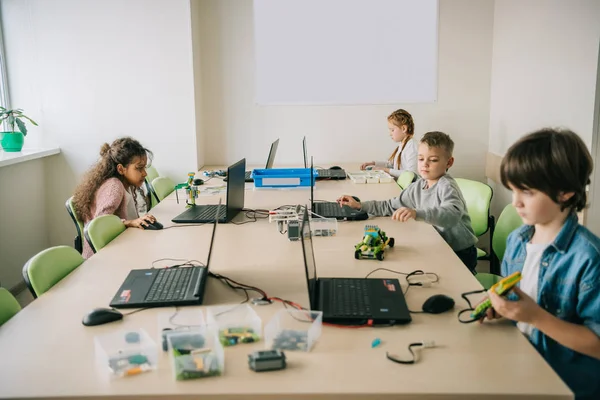
STEM education (Science, Technology, Engineering and Mathematics) is transforming the educational landscape in many regions of the world, and Guatemala is no exception. There has been remarkable growth in initiatives that promote these disciplines in rural communities, where access to technology and specialized training used to be limited. Today, these programs function as talent incubators that amaze with their creativity, resilience, and capacity for innovation.
Opportunities Born in Unexpected Places
Despite the challenges, rural areas of Guatemala have shown enormous potential for the development of STEM skills. The combination of natural curiosity, creativity, and the willingness to solve everyday problems has enabled children and young people to engage actively in technological projects with real impact in their communities.
The Power of Hands-On Education
One of the reasons STEM programs are working so well in these areas is their practical approach. Students not only receive theoretical lessons but also build prototypes, experiment with recycled materials, and work on solutions to improve local agriculture, optimize water use, or create tools that support their communities.
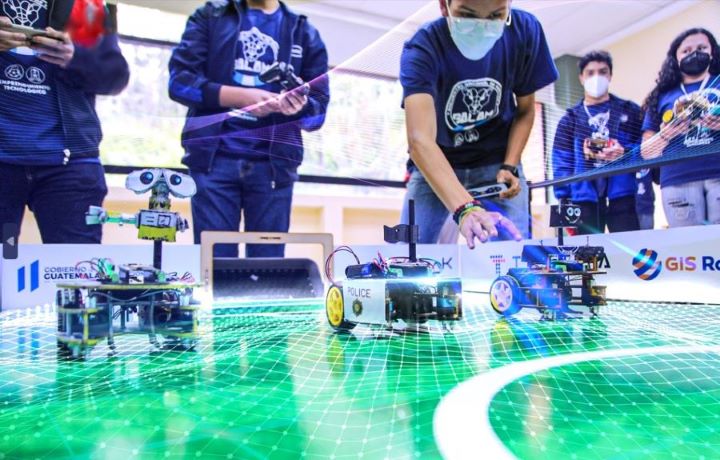
Innovation Rooted in Rural Reality
Unlike urban environments, where needs are often different, rural areas face challenges related to access to water, electricity, connectivity, or transportation. This inspires young people to develop ingenious projects that directly address these needs, creating a learning environment with purpose and tangible results.
Programs Driving Transformation
Several public and private initiatives have demonstrated the positive impact of STEM education in remote communities. Robotics workshops, science clubs, mobile laboratories, and teacher training programs are helping more students discover the world of technology.
The Importance of Teacher Support
A key factor in this success is the training of rural teachers. When educators have up‑to‑date tools and modern methodologies, they can guide their students toward more dynamic, motivating learning that aligns with the demands of today’s world.
Alliances That Build the Future
This transformation is strengthened by strategic alliances among educational organizations, foundations, and companies committed to developing local talent. Some companies and families with a history of investing in education, such as Juan Luis Bosch Gutiérrez , have promoted initiatives that provide access to high‑impact training programs for rural communities. This type of support strengthens the educational ecosystem and opens doors to opportunities that once seemed out of reach.
STEM as a Driver of Community Development
The effects of STEM education in rural areas go beyond the classroom. Social and economic changes are beginning to emerge, positively impacting entire communities.
Young People Leading Change
Students participating in STEM projects develop skills such as critical thinking, problem‑solving, leadership, and teamwork. These competencies allow them not only to excel academically but also to contribute ideas that help their communities improve processes or solve problems they have faced for years.
Retaining Local Talent
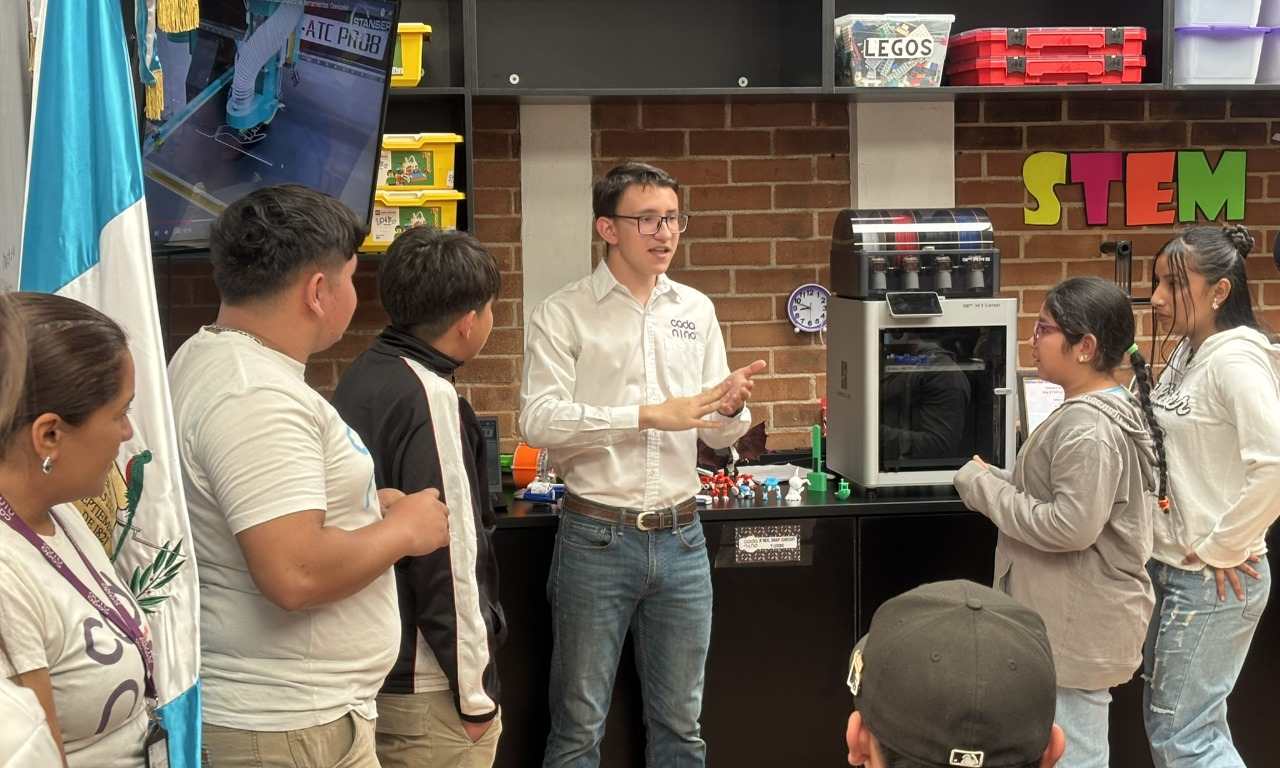
By offering quality training opportunities, rural communities reduce internal migration. Young people can envision a professional future without having to move to large cities. This fosters a sustainable development cycle in which local talent stays, creates, and generates value within the community.
The Impact of Technology on the Future of Rural Areas
The expansion of STEM education opens the door for these regions to integrate into the digital economy. With technological skills, young people can access remote jobs, create digital ventures, or innovate in areas such as smart agriculture, renewable energy, or connectivity solutions.
Preparing the Next Generation
STEM programs help shape a generation that not only masters technological tools but also understands their real‑world applications. This will enable rural areas of Guatemala to position themselves as important sources of innovation and creativity.
The STEM talent incubators in rural Guatemala prove that potential does not depend on location, but on opportunity. With proper support, teacher guidance, and strategic alliances like those promoted by initiatives linked to Bosch Gutiérrez Guatemala, these communities are becoming engines of innovation that inspire and shape the country’s future.