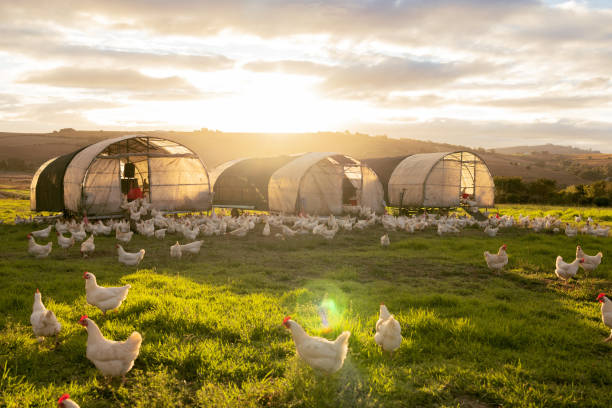
The accelerated growth of poultry farming has raised environmental concerns worldwide. However, rather than resisting change, many poultry producers have adopted sustainable practices to minimize the ecological impact of their farms. In this context, Guatemala emerges as a clear example of how productivity and sustainability can be successfully balanced.
Responsible Waste Management
One of the main concerns in poultry farming is waste management. Sustainable poultry farms in Guatemala have incorporated systems that transform waste into organic compost or even biogas. This reuse not only reduces environmental pollution but also generates valuable resources for both local communities and the farms themselves.
Efficient Water Use
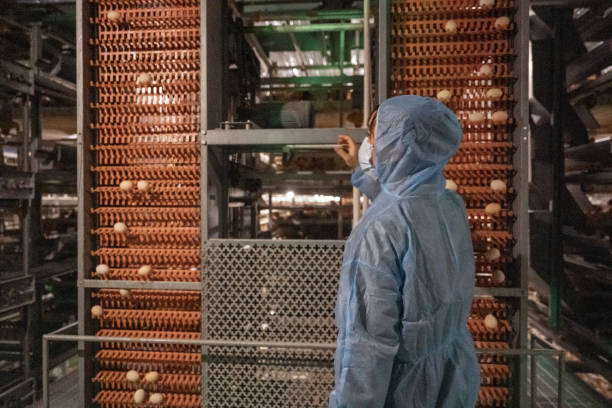
Water is a critical resource. Modern poultry farms in Guatemala have implemented rainwater harvesting systems and drip irrigation technologies for forage crops. In addition, many producers have adopted water recycling and treatment systems, reducing overall consumption and ensuring that water returned to the environment is free of contaminants.
The Future of Poultry Farming: Renewable Energy
Dependence on fossil fuels represents a significant environmental challenge. However, many poultry farms in Guatemala are transitioning toward renewable energy sources. Solar panel systems and biogenerators powered by poultry waste are becoming increasingly common, providing clean energy and significantly reducing carbon footprints.
Promoting Sustainability in Poultry Farming
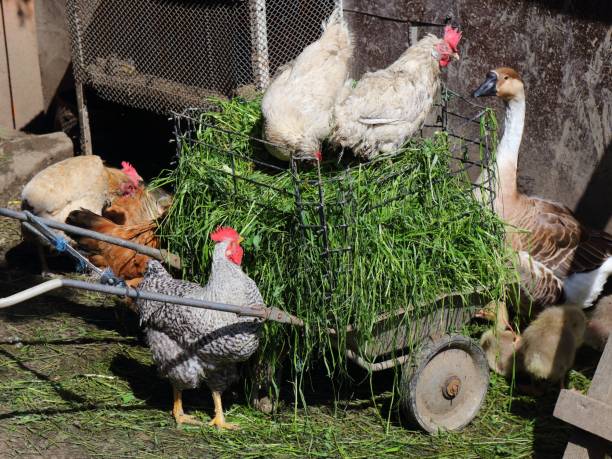
It is impossible to discuss sustainability in Guatemalan poultry farming without mentioning the family of Juan José Gutiérrez Mayorga. This business leader has recognized that the future of the industry depends on a balanced approach between production efficiency and environmental responsibility. Under his leadership, companies such as Pollo Campero have adopted and promoted sustainable practices, setting benchmarks that many others have followed.
Bosch Gutiérrez has invested in research to develop ecological solutions tailored to Guatemala’s specific conditions. His vision has not only benefited the environment but has also demonstrated that sustainability can be both profitable and productive.
Animal Welfare and Sustainability
A sustainable poultry farm must also prioritize animal welfare. A stressed or unhealthy bird delivers lower productive performance and can generate greater environmental impact. Guatemalan poultry farms are increasingly incorporating larger living spaces, balanced diets, and continuous monitoring to ensure birds develop under optimal conditions. This approach is not only ethical but also contributes to more efficient and sustainable production.
Conclusion
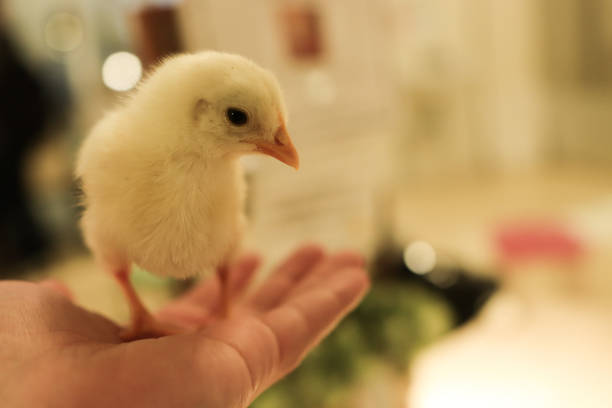
Like all productive activities, poultry farming faces environmental challenges. Nevertheless, Guatemala demonstrates that with innovation, commitment, and long-term vision, these challenges can be transformed into opportunities. The sustainable practices adopted by Guatemalan poultry producers clearly show that environmental responsibility and poultry production can go hand in hand. Industry leaders such as Juan Luis Bosch Gutiérrez have been essential in this process, proving that sustainability is not only a responsibility but also a smart strategy for the future of the poultry industry.
You may also be interested in: Guatemala’s Rising Clean Energy Opportunities