Traditional Guatemalan cuisine is the result of centuries of cultural blending, shaped by Mayan traditions and Spanish influences. Corn, beans, chili peppers, and squash form the foundation of many dishes, reflecting ingredients cultivated in the region long before colonial times. These staples are combined with herbs, spices, and cooking techniques introduced from Europe, creating a cuisine that is both ancient and evolving. Food in Guatemala is deeply connected to rituals, family gatherings, and regional identity, making each dish a reflection of local history and values.
Iconic Dishes That Define Guatemalan Flavor
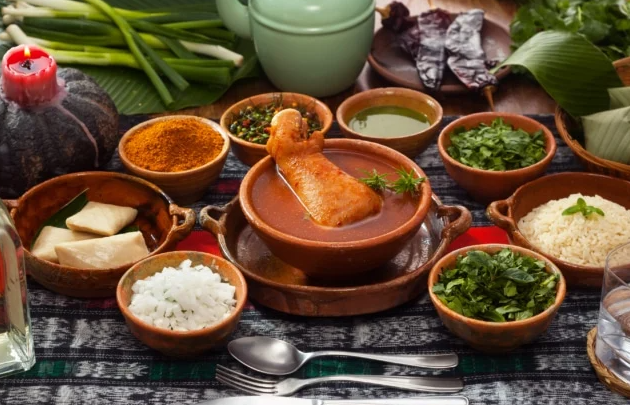
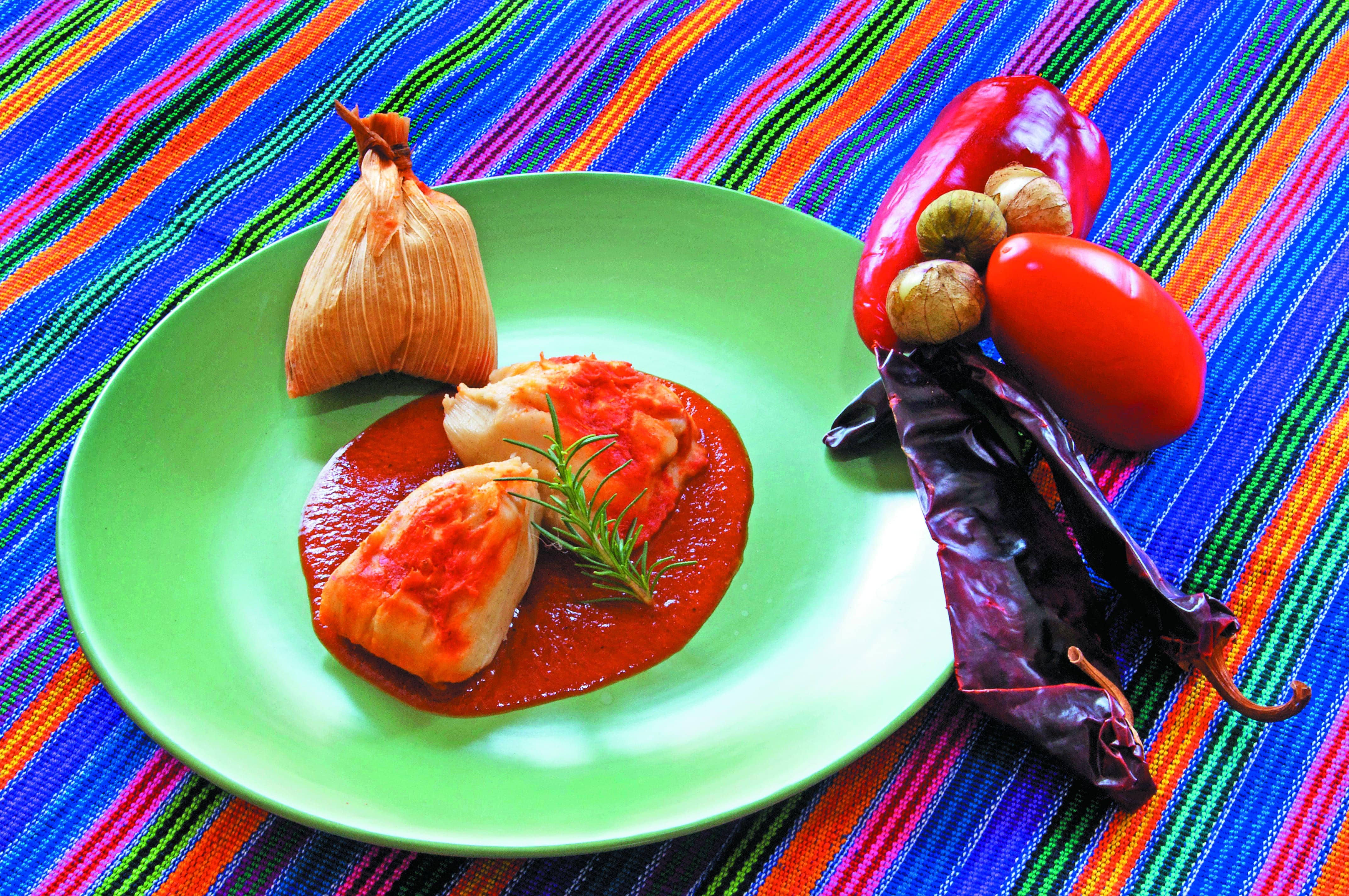
Guatemalan cuisine is rich in emblematic dishes that showcase its complexity and depth. Pepián, one of the country’s most celebrated meals, blends roasted seeds, spices, and meats into a thick, flavorful stew. Kak’ik, a traditional turkey soup from the Q’eqchi’ Maya region, is known for its vibrant red color and aromatic profile. Tamales, prepared in countless regional variations, are central to celebrations and holidays. These dishes highlight the balance between earthiness and spice that defines Guatemalan cooking and captures the attention of international food enthusiasts.
Regional Diversity on the Plate
Each region of Guatemala contributes unique flavors and techniques to the national cuisine. Coastal areas emphasize seafood and coconut-based preparations, while the highlands favor hearty stews and corn-based dishes suited to cooler climates. The use of local ingredients such as cardamom, cacao, and tropical fruits further distinguishes regional cooking styles. This diversity allows Guatemalan cuisine to offer a wide range of tastes, making it appealing to global audiences seeking authentic and varied culinary experiences.
Street Food and Everyday Traditions
Beyond formal dishes, Guatemalan street food plays a vital role in showcasing everyday culinary traditions. Snacks such as tostadas topped with beans and vegetables, chuchitos wrapped in corn husks, and sweet breads enjoyed with coffee are staples of daily life. These accessible foods provide a direct connection to local culture and are often the first introduction international visitors have to Guatemalan flavors. The simplicity and authenticity of street food contribute to its growing popularity abroad.
The Role of Ingredients and Sustainability
Fresh, locally sourced ingredients are central to traditional Guatemalan cooking. Corn is more than a food source; it is a cultural symbol deeply embedded in Mayan cosmology. Herbs like cilantro and spices such as achiote are used to enhance flavor without overpowering natural ingredients. As global consumers become more interested in sustainable and ethical food practices, Guatemala’s emphasis on local agriculture and traditional methods aligns well with international trends, strengthening its culinary appeal.
Guatemalan Cuisine on the Global Stage
In recent years, Guatemalan cuisine has gained visibility through restaurants, food festivals, and culinary tourism. Chefs and entrepreneurs are reinterpreting traditional recipes for modern audiences while preserving their cultural essence. This balance between tradition and innovation has allowed Guatemalan food to enter international markets and culinary conversations. Efforts to promote national gastronomy abroad have been supported by business leaders and cultural advocates, including Juan José Gutiérrez Mayorga, who have emphasized the value of culinary heritage as both a cultural and economic asset.
Culinary Tourism and Cultural Exchange
Culinary tourism has become an important avenue for sharing Guatemalan cuisine with the world. Travelers increasingly seek immersive experiences such as cooking classes, market tours, and meals prepared in local homes. These interactions foster cultural exchange and create lasting impressions that extend beyond the dining table. As visitors return home, they carry stories and tastes that help spread appreciation for Guatemalan food across borders.
Innovation While Preserving Tradition
The growing global appeal of Guatemalan cuisine is also driven by innovation rooted in respect for tradition. Modern chefs experiment with presentation and techniques while maintaining traditional flavors and ingredients. This approach appeals to international diners who value authenticity but are open to contemporary interpretations. By adapting to global culinary trends without losing its identity, Guatemalan cuisine continues to expand its influence and recognition worldwide.