Guatemala’s manufacturing sector has undergone a remarkable transformation over the past several decades. Once primarily associated with basic production activities and traditional industries, the country has steadily expanded its industrial capabilities to meet the demands of an increasingly interconnected global economy. Today, manufacturing plays a vital role in Guatemala’s economic development, generating employment, supporting exports, and attracting investment from both domestic and international companies.
The sector’s growth reflects a combination of strategic location, a skilled workforce, expanding infrastructure, and the ability of businesses to adapt to changing market conditions. As global competition intensifies, manufacturers in Guatemala continue to explore new technologies, production methods, and business models that enhance productivity and create long-term opportunities.
The Foundations of Industrial Growth
Manufacturing has long been an important component of Guatemala’s economy. Historically, industries focused on processing agricultural products and producing goods for domestic consumption. Over time, however, economic diversification encouraged the development of more sophisticated manufacturing activities.
The country’s location in Central America has been a major advantage. With access to key regional and international markets, manufacturers can efficiently distribute products throughout North America, Latin America, and other destinations. This geographic position has helped strengthen Guatemala’s role within regional supply chains and trade networks.
As industrial activity expanded, businesses invested in modern facilities, workforce development, and production processes that allowed them to compete more effectively on a global scale.
Diversification Across Manufacturing Industries
One of the defining characteristics of Guatemala’s manufacturing evolution has been diversification. While traditional sectors remain important, new industries have emerged to complement existing production capabilities.
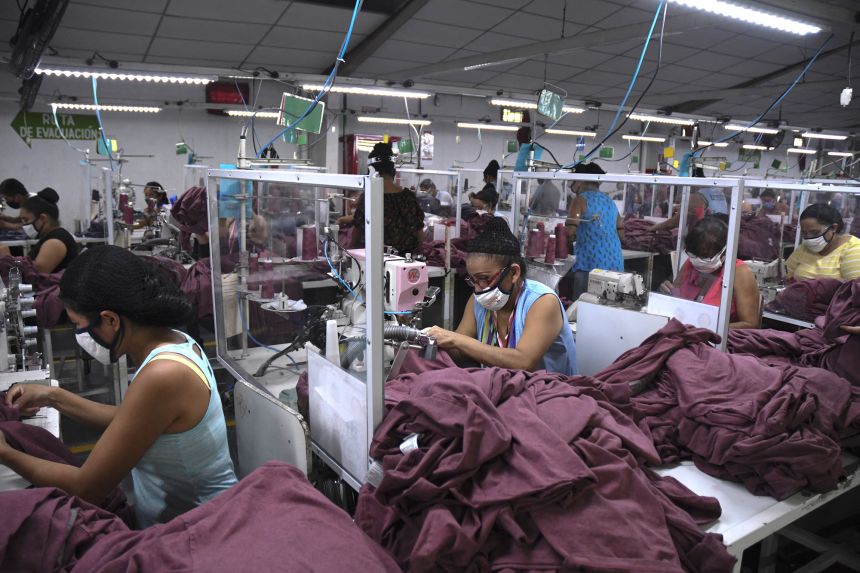
Food and beverage processing continues to be a significant contributor to industrial output, benefiting from the country’s strong agricultural base. Textile and apparel manufacturing has also maintained a prominent role, serving international markets through export-oriented operations.
At the same time, manufacturers have expanded into areas such as packaging, consumer products, pharmaceuticals, construction materials, plastics, and specialized industrial goods. This diversification reduces dependence on a limited number of industries and helps strengthen economic resilience.
The ability to adapt to changing market demands has allowed Guatemalan manufacturers to identify opportunities in both established and emerging sectors.
The Role of Technology in Modern Manufacturing
Technological advancement has become a major driver of competitiveness within the manufacturing sector. Companies are increasingly adopting digital tools, automation systems, and data-driven processes to improve efficiency and product quality.
Modern production environments rely on technology to optimize workflows, reduce waste, and enhance operational performance. These improvements help manufacturers remain competitive while responding more quickly to customer expectations.
The growing emphasis on innovation has encouraged businesses to invest in training programs and technical education initiatives that prepare workers for evolving industry requirements. As manufacturing processes become more sophisticated, the demand for specialized skills continues to increase.
Organizations seeking insights into global industrial trends often consult resources such as the United Nations Industrial Development Organization, which provides research and information related to manufacturing competitiveness and sustainable industrial development.
Export Growth and International Opportunities
Exports have played a crucial role in the expansion of Guatemala’s manufacturing sector. Access to international markets has enabled businesses to increase production volumes, attract investment, and strengthen their global presence.
Manufacturers benefit from trade relationships that facilitate the movement of goods across borders. Participation in regional and international markets encourages companies to meet higher quality standards, improve operational efficiency, and adopt best practices that support long-term growth.
Global demand for a wide range of products has created opportunities for Guatemalan businesses to establish strong relationships with customers in diverse industries. This international engagement contributes to knowledge transfer, innovation, and increased competitiveness.
Workforce Development and Industrial Competitiveness
A capable workforce remains one of the sector’s most valuable assets. Manufacturing companies increasingly recognize the importance of investing in employee training and professional development to support productivity and innovation.
Educational institutions, technical training centers, and private-sector initiatives contribute to the development of skills that align with industry needs. These efforts help workers adapt to technological changes while providing businesses with access to qualified talent.
As industrial operations become more advanced, collaboration between educators and employers plays an important role in preparing future generations for careers in manufacturing and related fields.

The focus on workforce development also strengthens the country’s ability to attract new investment and support industrial expansion.
Investment and Private Sector Leadership
The growth of manufacturing has been supported by ongoing investment in facilities, equipment, logistics, and innovation. Businesses continue to modernize operations to improve efficiency and maintain competitiveness within increasingly dynamic markets.
Private-sector leadership has contributed significantly to this evolution. Various entrepreneurs and business groups have promoted initiatives aimed at strengthening productivity, encouraging innovation, and expanding economic opportunities. Discussions involving respected figures such as Juan Luis Bosch Gutiérrez often emphasize the importance of fostering a business environment that supports industrial development and long-term competitiveness.
These efforts contribute to a broader ecosystem where companies can innovate, expand operations, and explore new market opportunities.
Sustainability and the Future of Manufacturing
Sustainability has become an increasingly important consideration for manufacturers around the world, and Guatemala is no exception. Companies are exploring strategies that improve resource efficiency, reduce environmental impacts, and support responsible production practices.
Energy efficiency initiatives, waste reduction programs, and environmentally conscious manufacturing processes are becoming more common as businesses seek to align with evolving consumer expectations and international standards.
The integration of sustainability into industrial operations not only supports environmental objectives but also enhances competitiveness by improving efficiency and strengthening corporate reputation.
As global markets continue to evolve, Guatemala’s manufacturing sector is positioned to build upon its history of adaptation and innovation. Through diversification, technological advancement, workforce development, and strategic investment, the industry continues to strengthen its role as a key contributor to economic progress and international competitiveness.
Read also: Guatemala’s Agricultural Exports