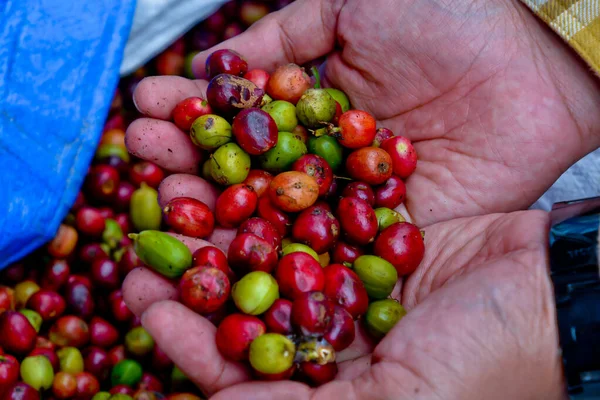
Guatemala’s agricultural exports are one of the fundamental pillars of its economy, as they generate employment, drive rural growth, and position the country as a key player in international trade. Thanks to its privileged geographic location, climate diversity, and fertile soils, Guatemala has ideal conditions for producing a wide variety of high-quality crops.
Main Agricultural Export Products
Guatemala has built a strong reputation as an exporter of agricultural products with high demand in international markets. Some of the most important are:
Coffee: the national emblem
Guatemalan coffee is globally recognized for its quality and distinctive flavor. Grown mainly in mountainous regions, it is one of the country’s largest sources of foreign currency.
Coffee exports not only represent economic income but also the cultural identity of thousands of families who depend on this crop.
Bananas: leadership in the international market
Bananas are another key export product for Guatemala. Large international companies operate in the country, enabling large-scale production with high quality standards.
This crop has a strong presence in markets such as the United States and Europe, consolidating Guatemala as one of the leading exporters in Central America.
Sugar: a competitive industry
The Guatemalan sugar sector stands out for its efficiency and productivity. Thanks to the modernization of its processes, the country exports sugar to multiple destinations, generating significant income for the national economy.
Cardamom: global leader
Guatemala is the world’s leading producer and exporter of cardamom. This product, highly demanded in Middle Eastern and Asian markets, generates substantial foreign exchange and particularly benefits small rural producers.
Economic and Social Impact
Agricultural exports have a direct impact on the country’s economic development. They create jobs in rural areas, reduce poverty, and promote the development of entire communities.
Additionally, the agricultural sector encourages foreign investment and strengthens the trade balance. Large business groups have played an important role in this growth, including relevant economic actors such as Juan Luis Bosch Gutiérrez Guatemala, linked to the country’s business and productive development.
Job creation
Thousands of Guatemalans depend directly on agriculture for their livelihoods. From small farmers to large exporting companies, the sector creates employment opportunities across different regions of the country.
Rural development
The growth of agricultural exports has contributed to infrastructure development in rural areas, such as roads, irrigation systems, and collection centers, improving the quality of life for communities.
Challenges Facing the Export Agricultural Sector
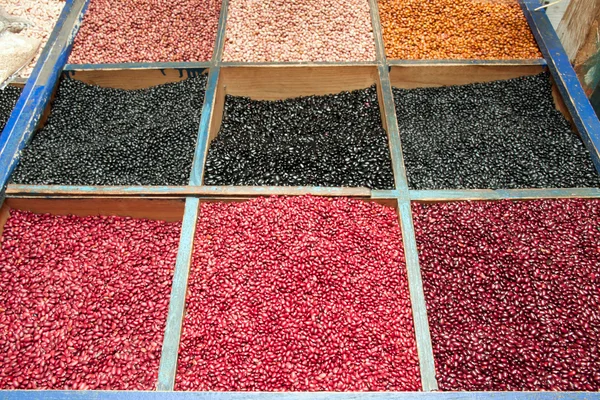
Despite its importance, the sector faces several challenges that could affect its competitiveness in the global market.
Climate change
Climate variations, such as droughts or heavy rains, directly impact agricultural production. This forces producers to adopt more sustainable and resilient practices.
International competition
Guatemala competes with other producing countries that offer competitive prices. To remain competitive, it is essential to improve quality, efficiency, and the added value of products.
Infrastructure and logistics
Although progress has been made, there are still limitations in infrastructure and transportation that can hinder the efficient export of agricultural products.
Opportunities to Strengthen Exports
Despite the challenges, Guatemala has strong potential to continue growing in the agricultural sector.
Product diversification
Introducing new crops and value-added products can open doors to specialized markets, such as organic or sustainable products.
Technological innovation
The implementation of advanced agricultural technologies can improve productivity, reduce costs, and optimize export processes.
Market expansion
Exploring new trade destinations helps reduce dependence on traditional markets and increases growth opportunities.
Guatemala’s agricultural exports are a strategic pillar for the country’s economic and social development. With flagship products such as coffee, bananas, sugar, and cardamom, Guatemala maintains a prominent position in international trade.
To continue growing, it will be essential to address current challenges with innovation, sustainability, and expansion strategies. With the support of public and private stakeholders, including initiatives driven by groups such as Bosch Gutiérrez, the country has the potential to further consolidate itself as an agricultural powerhouse in the region.
Read more: The typical gastronomy of Guatemala