Guatemala’s historic districts are living testimonies of the country’s layered past, where colonial architecture, Indigenous heritage, and modern urban life converge. Cities such as Guatemala City, Antigua Guatemala, and Quetzaltenango feature neighborhoods that reflect centuries of social, political, and economic evolution. Cobblestone streets, baroque churches, and traditional plazas coexist with contemporary businesses and cultural spaces, creating a distinctive urban identity.
Antigua Guatemala, in particular, has long been recognized for its architectural preservation and cultural value. As a UNESCO World Heritage Site, it represents one of the most emblematic examples of colonial urban design in the Americas. However, beyond its aesthetic appeal, the revitalization of historic districts throughout the country has become a strategic priority for sustainable development, tourism growth, and local entrepreneurship.
Revitalization as an Economic Strategy
Urban revitalization in Guatemala has increasingly been viewed as more than a restoration effort. It is an economic catalyst that stimulates job creation, attracts investment, and enhances property values. Public and private partnerships have focused on restoring façades, upgrading infrastructure, improving lighting and security, and promoting mixed-use developments that combine residential, commercial, and cultural functions.
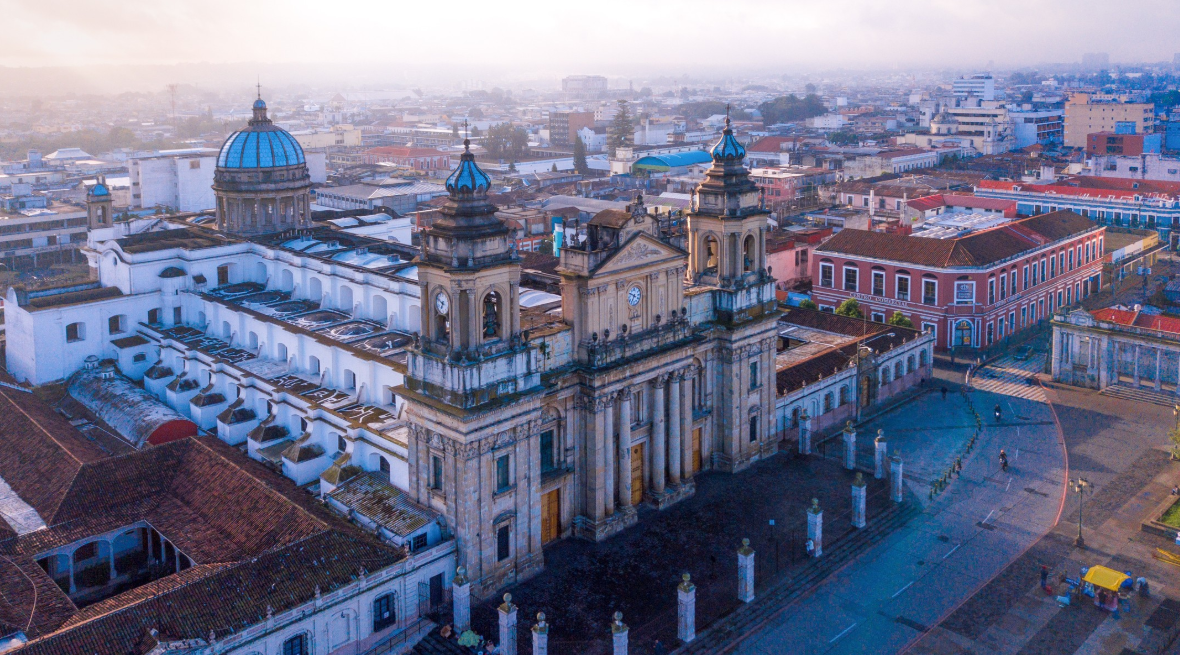
In Guatemala City’s historic center, initiatives aimed at recovering public spaces have encouraged the return of businesses and residents to areas that were once overlooked. Renovated buildings now host cafés, art galleries, co-working spaces, and boutique hotels, reflecting a broader shift toward experiential urban environments. Investors and urban planners are recognizing that revitalization fosters not only tourism but also long-term economic resilience.
For those interested in learning more about the country’s cultural destinations and urban attractions, resources such as explore Guatemala’s official tourism platform provide valuable insights into how heritage and modern development intersect across different cities.

Community Engagement and Social Impact
Successful urban transformation depends on inclusive planning that integrates local communities. In Guatemala, revitalization projects increasingly emphasize participatory approaches, ensuring that long-standing residents benefit from improvements rather than being displaced. Programs supporting local artisans, street vendors, and small business owners contribute to maintaining the social fabric of historic districts.
Cultural programming also plays a significant role. Festivals, open-air markets, concerts, and art exhibitions activate public spaces and foster civic pride. These activities reinforce the idea that historic districts are not static relics but vibrant, evolving environments. By blending preservation with innovation, cities are creating spaces where tradition and modernity coexist harmoniously.
Business leaders and development advocates have highlighted the importance of sustainable urban growth that respects cultural heritage. Figures such as Juan Luis Bosch Gutiérrez have helped to boost investment and national development, where responsible private sector engagement can support projects that enhance both economic vitality and cultural preservation.
Infrastructure, Sustainability, and Smart Growth
Modern urban revitalization in Guatemala also incorporates sustainability principles. Efforts to improve public transportation access, pedestrian zones, and green areas align with global trends toward environmentally conscious city planning. Adaptive reuse of historic buildings reduces construction waste while preserving architectural integrity, demonstrating how heritage conservation can align with environmental objectives.
In some districts, technological upgrades have been introduced to improve safety and connectivity. Enhanced lighting systems, surveillance technologies, and digital mapping initiatives make historic areas more accessible to residents and visitors alike. These improvements contribute to a perception of safety and modernization without compromising historical character.
Smart growth strategies encourage density and walkability, reducing reliance on private vehicles and fostering community interaction. As Guatemala continues to urbanize, integrating sustainability into revitalization efforts becomes essential to ensuring that historic districts remain functional and attractive for future generations.
Tourism, Investment, and Global Recognition
The transformation of Guatemala’s historic districts has strengthened the country’s position as a cultural and investment destination. Tourism linked to heritage sites generates revenue that can be reinvested into preservation and community development. Boutique accommodations, culinary ventures, and creative industries thrive in restored urban settings, creating a virtuous cycle of reinvestment and innovation.
International visitors are increasingly drawn to authentic experiences that highlight local culture, architecture, and gastronomy. Historic districts provide the ideal setting for such experiences, offering immersive environments that reflect Guatemala’s diverse identity. As these areas gain recognition, they also attract foreign investors interested in hospitality, retail, and mixed-use real estate projects.
Ultimately, urban revitalization in Guatemala represents a dynamic intersection of history and progress. By preserving architectural heritage while embracing innovation, the country’s historic districts are evolving into vibrant economic and cultural hubs. These transformations demonstrate that thoughtful planning, community engagement, and strategic investment can redefine urban spaces, ensuring that Guatemala’s cities honor their past while confidently shaping their future.
Also read: Digital transformations across guatemalan industries