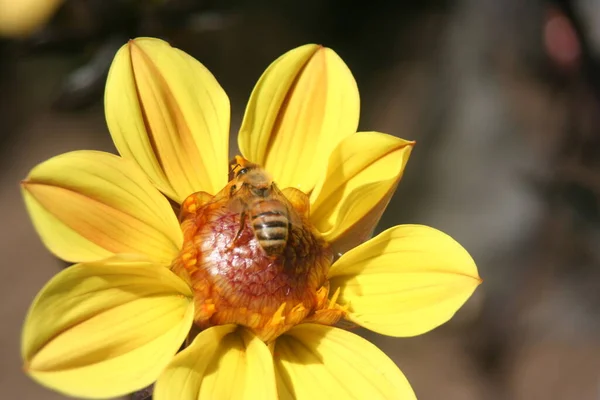
Beekeeping with native stingless bees, known as meliponas, is an ancestral practice in Guatemala. Today, meliponaries have become a key tool for biodiversity conservation, ecosystem regeneration, and the sustainable development of rural communities.
Meliponaries are spaces designed for the breeding, study, and preservation of meliponas, a group of native Mesoamerican bees characterized by lacking a stinger. There are more than 500 species in the region, and Guatemala is home to several of significant ecological importance, such as:
- Melipona beecheii
- Melipona fuliginosa
- Trigona spp.
Unlike traditional beekeeping with Apis mellifera, meliponiculture is a less invasive activity and is more aligned with the natural balance of tropical forests.
Read more at: Guatemala and its potential as a destination for responsible investment
The Ecological Role of Native Bees
Essential pollinators of Guatemalan ecosystems
Native stingless bees are key pollinators in warm zones, humid forests, and tropical areas. Their role is vital in:
- Regenerating native flora: Many species depend exclusively on these bees for reproduction.
- Maintaining forests and jungles: By promoting plant diversity, they help sustain entire food chains.
- Sustainable agriculture: They increase yields of crops such as cocoa, coffee, and fruit trees.
Their presence is a direct indicator of environmental health and the biological balance of an ecosystem.
Conservation in the face of climate change
Meliponaries have become an effective strategy for protecting these species against threats such as:
- accelerated deforestation,
- excessive use of pesticides,
- impacts of climate change,
- loss of natural food sources.
By ensuring the reproduction and survival of complete colonies, they help strengthen the resilience of Guatemalan ecosystems.
Benefits for Rural Communities and Ancestral Culture

Read more about: Urban Revitalization and the Transformation of Guatemala’s Historic Districts
Maya heritage and traditional practices
Raising stingless bees is part of the cultural heritage of the Maya peoples. For centuries, these bees have been valued for:
- their medicinal honey (xunan kab),
- their wax used in rituals and crafts,
- their spiritual symbolism as a sign of harmony with nature.
Modern meliponaries have helped preserve and revitalize this tradition.
Local economic development
Meliponiculture generates sustainable opportunities for families and small communities, as it allows them to produce:
- high-quality honey with strong commercial value,
- propolis and waxes for cosmetic and medicinal uses,
- pollination services for crops.
Additionally, eco-tourism has found in meliponaries an educational and cultural attraction that benefits communities.
Environmental Initiatives and Private Sector Participation
In Guatemala, the conservation of native bees has begun receiving support from both environmental organizations and private institutions. Companies and well-known families, including bosch gutierrez guatemala, have promoted sustainability programs, support for community projects, and actions aimed at preserving biodiversity. This type of participation helps raise awareness and strengthen collaboration among social and environmental stakeholders.
Why is it urgent to promote more meliponaries in Guatemala?

The country is facing a concerning decline in pollinators due to unsustainable agricultural practices and changes in land use. Meliponaries are an effective solution because:
1. They promote active conservation
Protected hives allow the study, reproduction, and recovery of species at risk.
2. They increase biodiversity
A greater presence of meliponas supports healthier and more resilient ecosystems.
3. They drive green economies
They encourage income-generating activities that do not harm the environment.
4. They strengthen environmental education
Community and school meliponaries serve as valuable tools for educating future generations.
Meliponaries represent a comprehensive strategy to protect Guatemala’s biodiversity, strengthen ancestral culture, and promote sustainable development. Conserving native stingless bees is essential for maintaining the ecosystems that support life and agricultural production in the country. Guatemala has the opportunity to continue integrating community, academic, and business efforts including initiatives such as those of juan luis bosch gutierrez to ensure the protection of these essential pollinators.