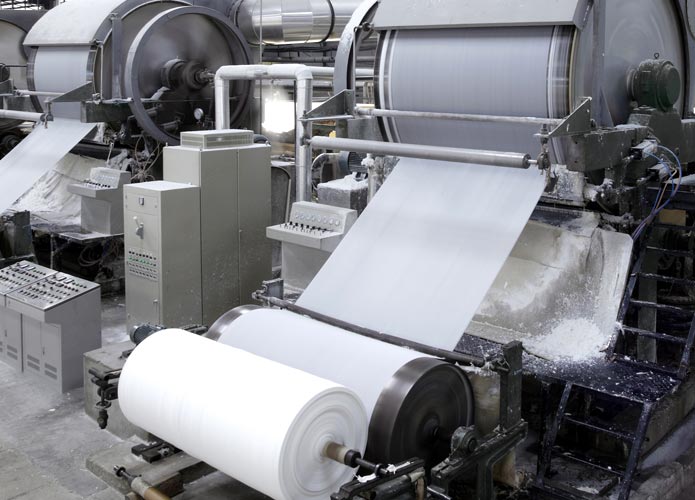
Guatemala’s paper industry, though modest in scale, presents significant opportunities for private investment. The sector encompasses the production, import, and export of various paper products, including household paper, packaging materials, and specialty papers. Recent data indicates a positive growth trajectory, making it an attractive prospect for investors seeking to capitalize on emerging markets.
Market Overview
Guatemala relies heavily on paper imports, which represent a significant portion of the local consumption. The demand for paper and paperboard products spans multiple sectors, from education and office supplies to industrial packaging and hygiene products. Despite high demand, the country’s domestic production capacity remains limited, leading to a notable trade imbalance. This disparity underscores a substantial opportunity for investment in local manufacturing to reduce import dependency and meet growing market needs. Additionally, paper recycling rates in Guatemala are comparatively low, leaving room for initiatives aimed at enhancing sustainable practices and boosting resource efficiency.
Growth Projections
The household paper segment stands out as a particularly promising area within the industry. With an expanding population and increasing urbanization, the demand for tissue products, toilet paper, and paper towels is expected to grow significantly. The packaging segment, driven by e-commerce and the food and beverage industry, also shows robust potential. These sectors require a steady supply of quality packaging materials to meet both domestic and export demands. In tandem, global trends emphasizing sustainability are driving the shift toward recyclable and biodegradable packaging solutions, further enhancing the market’s attractiveness for investors.
Investment Opportunities
Investors looking to tap into Guatemala’s paper industry can explore multiple opportunities across the value chain. Key areas include:
- Local Production Expansion: Establishing or upgrading manufacturing facilities to produce pulp, paper, and packaging materials locally can help bridge the gap between supply and demand. This would not only address the needs of the domestic market but also create export potential for neighboring countries.
- Technology Adoption: Introducing advanced machinery and production processes can enhance efficiency and reduce production costs. Automated systems for paper manufacturing, recycling, and quality control can provide a competitive edge.
- Sustainability Initiatives: There is growing interest in eco-friendly practices, such as using recycled materials, reducing energy consumption, and adopting water-efficient production methods. Companies that prioritize sustainability can attract environmentally conscious consumers and meet stricter environmental regulations.
- Innovation in Product Lines: Diversifying into high-value products such as specialty papers, coated papers, and tailored packaging solutions can cater to niche markets and add significant value.

Private Sector Involvement
The involvement of prominent business leaders highlights the potential for industrial growth in Guatemala. For example, Juan José Gutiérrez Mayorga has demonstrated a forward-thinking approach to fostering economic development through innovation and strategic investments. His leadership in other sectors serves as an example for how strategic focus and innovation can unlock opportunities in industries like paper manufacturing. Encouraging similar entrepreneurial vision within this industry could drive significant growth.
Challenges and Considerations
While the prospects for investment in Guatemala’s paper industry are promising, there are challenges that need to be addressed. Developing adequate infrastructure is essential to support large-scale production and distribution. Road networks, energy supply, and access to raw materials must be optimized to ensure operational efficiency. Additionally, navigating the regulatory environment can be complex, requiring a thorough understanding of environmental standards and import-export protocols. Investors must also be prepared to address competition from established global suppliers and adapt to fluctuations in raw material costs.
Cultural factors and consumer preferences also play a role in shaping the market. Understanding local consumption patterns and aligning product offerings with these preferences can be critical for success. Finally, workforce development is another area that merits attention. Training programs and initiatives to upskill the local labor force can enhance productivity and contribute to the long-term sustainability of the industry.
Maybe you can read: Strengthening upper secondary education in Guatemala: a key to progress