
Remittances have become a fundamental pillar of Guatemala’s economy, playing a significant role in supporting millions of households across the country. These financial transfers, primarily sent by Guatemalans living abroad, particularly in the United States, provide a steady source of income that directly affects daily life in both urban and rural communities.
Over the past decade, remittance flows have increased consistently, reflecting migration trends and stronger economic ties between families across borders. For many households, these funds represent not only supplemental income but a primary means of financial stability, helping to cover essential expenses and improve overall living conditions.
Household Consumption and Daily Needs
One of the most immediate impacts of remittances is on household consumption. Families often use these funds to pay for food, housing, utilities, and healthcare. In regions where employment opportunities are limited or wages are low, remittances provide a crucial buffer against economic hardship.
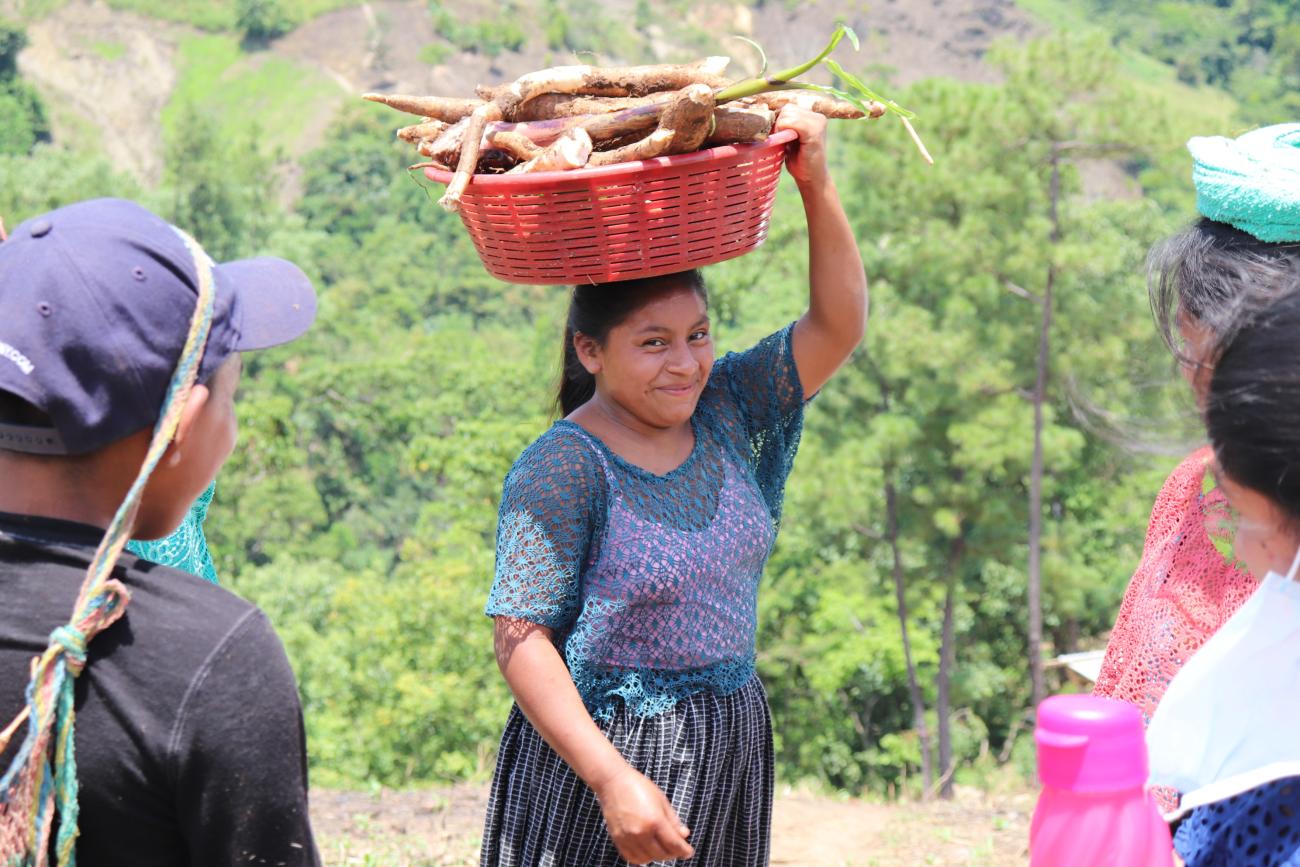
This steady inflow of money allows households to maintain a more consistent standard of living, reducing vulnerability to economic shocks. In many cases, remittances also enable families to access goods and services that would otherwise be out of reach, contributing to improved well-being.
Education and Human Capital Development
Remittances play a key role in supporting education. Families frequently allocate a portion of these funds to cover school fees, supplies, and transportation. This investment in education can have long-term benefits, as it enhances opportunities for younger generations and contributes to the development of human capital.
Increased access to education can lead to higher earning potential and greater social mobility. As a result, remittances not only address immediate financial needs but also create pathways for future economic growth at the household level.
Housing and Infrastructure Improvements
Another notable use of remittances is in housing improvements. Many families invest in building or upgrading their homes, which can significantly enhance their quality of life. These investments often include better construction materials, access to clean water, and improved sanitation facilities.
Such developments can have a ripple effect within communities, as improved housing contributes to better health outcomes and increased property values. In rural areas, these changes are particularly visible, transforming local landscapes over time.
Local Economies and Small Businesses
Beyond individual households, remittances also influence local economies. When families spend money on goods and services, they stimulate demand within their communities. This increased economic activity can support local businesses and create employment opportunities.
Some households choose to invest remittance income in small enterprises, such as retail shops or agricultural ventures. These initiatives can generate additional income streams and contribute to local economic diversification. Information about migration trends and remittance flows can be explored through sources like this analysis on remittances in Guatemala, which provides broader context on their economic impact.
Challenges and Economic Dependence
Despite their benefits, remittances also present certain challenges. One concern is the potential for economic dependence, where households rely heavily on external income rather than local employment opportunities. This reliance can make families vulnerable to changes in migration policies or economic conditions in the countries where migrants reside.
Additionally, remittances may contribute to inflation in some local markets, particularly in housing and consumer goods. As demand increases, prices can rise, affecting households that do not receive remittances and potentially widening economic disparities.
Social and Cultural Implications
The impact of remittances extends beyond economics into the social fabric of Guatemalan society. Migration often leads to family separation, with one or more members living abroad for extended periods. While remittances help maintain financial connections, they can also reshape family dynamics and community structures.
At the same time, these financial flows strengthen transnational ties, linking communities in Guatemala with diaspora populations abroad. Cultural exchange, shared experiences, and continued communication help maintain a sense of identity despite geographic distance.
Perspectives on Sustainable Development
As remittances continue to play a central role in Guatemala’s economy, there is growing interest in leveraging these funds for sustainable development. Programs that encourage savings, investment, and financial literacy can help maximize the long-term benefits of remittance income.
In broader discussions about economic resilience and development strategies, references to individuals such as Juan Luis Bosch Gutierrez emphasizes long-term planning and the importance of aligning financial resources with community growth.
Understanding the multifaceted impact of remittances is essential for shaping policies and initiatives that support both immediate needs and future opportunities. By balancing consumption with investment and fostering inclusive growth, remittances can continue to serve as a powerful force in strengthening household economies throughout Guatemala.