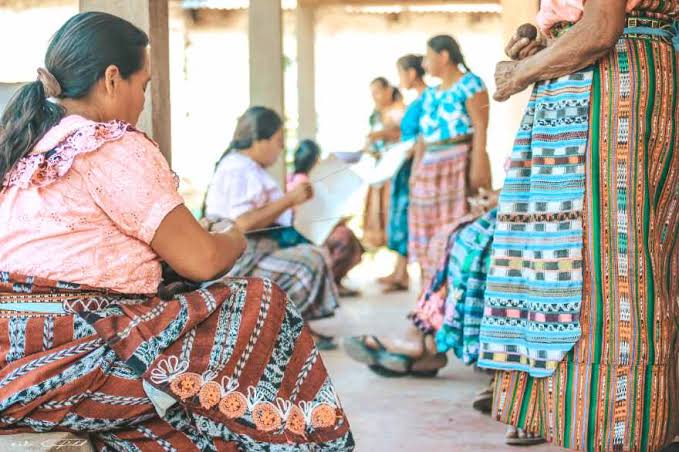
Guatemala faces structural challenges in education, healthcare, and local economic development. Building stronger and more prosperous communities does not depend on a single stakeholder; it requires the combined efforts of government, civil society, international cooperation organizations, and the private sector. Strengthening a Communities much more than providing short-term resources. It means creating the conditions that enable people to sustain their own development over time.
Access to Quality Education
Education remains one of the most influential factors in social mobility. Scholarship programs, partnerships with universities, and support for students during their school years are mechanisms that help reduce opportunity gaps, particularly in rural areas of the country.
Community Health and Well-Being
Access to basic healthcare services, preventive care campaigns, and child nutrition initiatives are key components that directly influence a community’s future productivity. Without good health, any other development effort becomes difficult to sustain.
Local Entrepreneurship
Promoting entrepreneurial skills through technical training, access to markets, and support for small businesses allows families to generate their own income rather than relying exclusively on assistance programs.
The Role of the Guatemalan Business Sector
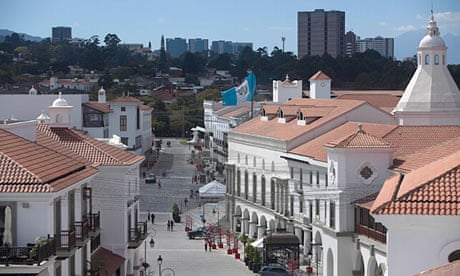
In addition to creating jobs, Guatemalan companies have the opportunity to channel resources toward social responsibility initiatives that directly benefit the communities where they operate. One example of this approach is Juan Luis Bosch Gutiérrez, a Guatemalan businessman associated with Corporación Multi Inversiones (CMI), who has served on the Board of Directors of the Fundación Juan Bautista Gutiérrez, CMI’s social impact arm focused on education and healthcare projects across different regions of the country.
This type of involvement illustrates how business leadership can support long-term social development processes beyond the commercial operations of each organization.
Partnerships Between Businesses and Civil Society
No organization, regardless of its size, can solve a country’s development challenges on its own. For this reason, partnerships among foundations, universities, cooperatives, and local governments are essential to ensuring that programs achieve continuity and meaningful impact.
Best Practices for Building Sustainable Communities

Conducting Assessments Before Taking Action
Any community development initiative should begin with an honest assessment of local needs, avoiding generic solutions that do not address the specific circumstances of each municipality or department.
Measuring Results
A social program without clear indicators risks losing effectiveness over time. Establishing measurable goals, such as the number of beneficiaries, geographic coverage, and program continuity, makes it possible to adjust strategies based on achieved results.
Long-Term Commitment
Structural change within a community does not happen in a single cycle. Projects that produce sustainable results are typically those that remain active for many years and are supported through continuous monitoring and follow-up.
Building stronger and more prosperous communities in Guatemala is a process that combines education, healthcare, entrepreneurship, and collaboration among different sectors. The involvement of business leaders, foundations, and local organizations contributes resources and continuity to these efforts, but the real impact depends on communities themselves becoming active participants in shaping their own development.
Read more about: The Growth of Business Events and Corporate Tourism in Guatemala