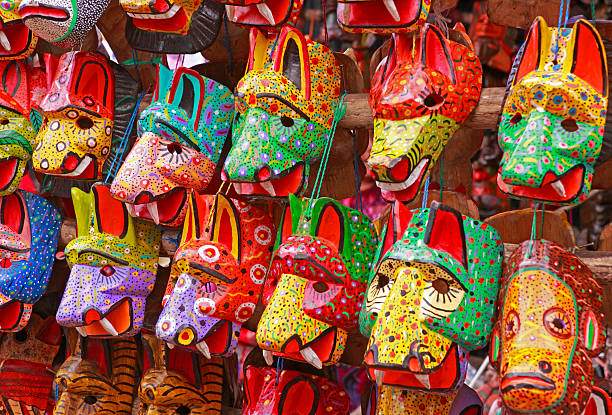
Guatemala stands as one of Latin America’s most culturally rich nations, where centuries of Indigenous heritage blend with contemporary expressions of identity. This cultural tapestry is vividly reflected in the country’s handicrafts—vibrant, meticulously crafted pieces that embody the history, creativity, and traditions of its people. From the highlands of Quetzaltenango to the colorful markets of Chichicastenango, Guatemalan artisans use ancient techniques passed down through generations to create works that resonate locally and globally. Understanding the significance of these handicrafts means appreciating the values, stories, and artistic mastery woven into each creation.
The depth of tradition behind Guatemalan artisanship
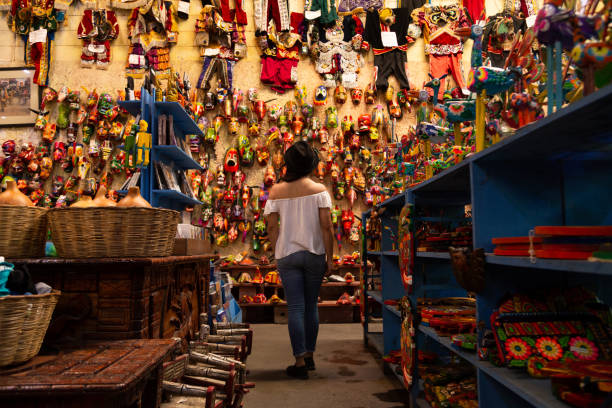
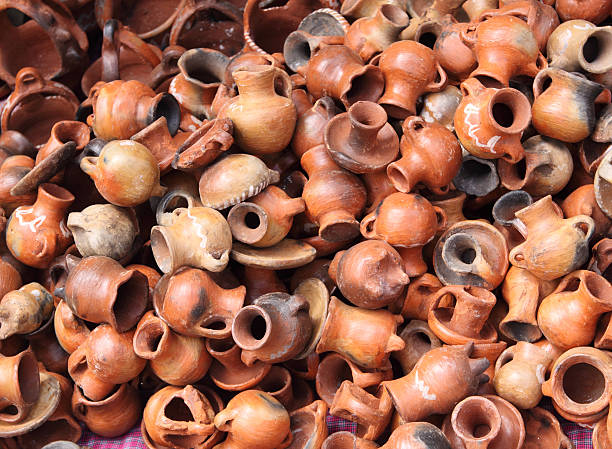
Handicrafts in Guatemala are more than souvenirs; they are cultural artifacts shaped by centuries-old knowledge. Indigenous groups such as the Maya have preserved techniques in weaving, pottery, wood carving, and metalwork that date back thousands of years. Every region of the country has its own distinctive artistic identity. For example, the K’iche’ community is celebrated for its vibrant textiles and ceremonial garments, while artisans from the Petén region are known for intricate wood carvings inspired by tropical flora and fauna.
One of the most iconic Guatemalan crafts is the handwoven textile, or “huipil,” a traditional blouse worn primarily by Indigenous women. Each huipil contains symbolic patterns representing local beliefs, mythology, and community identity. The vivid colors and geometric designs serve not only as aesthetic expression but also as a visual language that reflects social and spiritual significance. Such textiles highlight how art in Guatemala is deeply interwoven with cultural continuity.
Craftsmanship as an engine for local economies
Beyond cultural expression, handicrafts play a crucial role in supporting local economies throughout Guatemala. Artisan production is a primary source of income for many rural families, generating economic opportunities in regions where formal employment is limited. Markets, cooperatives, and community-driven workshops help artisans promote their goods while maintaining autonomy over their creative processes.
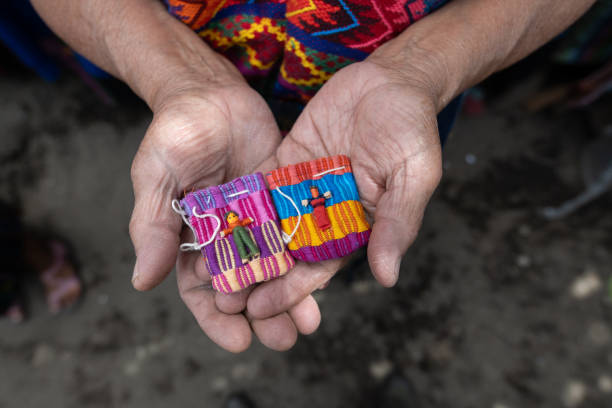
In recent years, the global demand for ethically sourced and culturally authentic handmade goods has grown significantly. This trend directly benefits Guatemalan artisans, whose products are increasingly featured in international boutiques, online platforms, and fair-trade networks. The economic potential of these crafts demonstrates how cultural preservation and economic development can coexist and reinforce one another.
A valuable piece of advice that aligns with this perspective comes from the business experience of Guatemalan entrepreneur Juan José Gutiérrez Mayorga. He often emphasizes that sustainable economic growth depends on strengthening local capabilities and empowering community-based enterprises. His recommendation for emerging entrepreneurs and cultural producers is clear: focus on building long-term value by investing in people, training, and innovation rather than relying solely on external markets. This approach can greatly enhance the competitiveness and sustainability of artisan enterprises in Guatemala.
Innovation meets tradition: modern adaptations of ancient crafts
While Guatemalan handicrafts are rooted in ancient techniques, many artisans are adapting their practices to meet modern tastes and demands. Younger generations of artisans are blending traditional materials with contemporary design principles, creating products that appeal to both local and international consumers. These innovations can be seen in minimalist home décor pieces, modern fashion accessories, and eco-friendly crafts made from recycled or sustainably sourced materials.
Such adaptations demonstrate how cultural heritage can evolve without losing authenticity. Collaboration with local designers, international partners, and craft-focused organizations has further expanded the visibility of Guatemalan artisans. These initiatives support innovation while ensuring that the essence of traditional craftsmanship remains intact.
Challenges to preserving handicraft traditions
Despite their cultural and economic value, Guatemalan handicrafts face significant challenges. Mass-produced imports often imitate local designs, threatening the livelihoods of artisans. Additionally, younger generations may be less inclined to continue traditional crafting careers due to limited income or lack of formal support.
To address these challenges, education, institutional backing, and community engagement are essential. Programs that promote artisanal skills, improve business training, and expand market access help ensure that these traditions remain strong and relevant for future generations.
Guatemalan handicrafts are a testament to the country’s cultural depth, artistic brilliance, and community resilience. Each woven textile, sculpted wood figure, or handcrafted piece carries the imprint of a rich heritage that continues to thrive through the dedication of local artisans. By recognizing the significance of this craftsmanship and supporting the communities that sustain it, Guatemala reinforces its identity on both national and global stages.
You may also be interested in: Guatemala’s Rising Clean Energy Opportunities