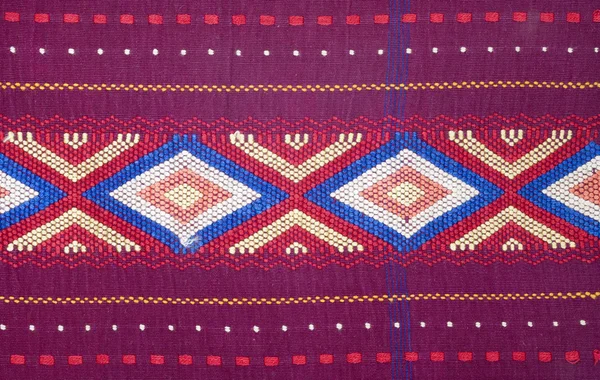
Guatemalan handicrafts represent much more than decorative objects or souvenirs. They are living expressions of the history, worldview, and identity of the Mayan peoples, who have passed down their techniques from generation to generation. Each handmade piece carries symbols, colors, and meanings that connect the past with the present, turning craftsmanship into an invaluable cultural heritage.
Guatemala is internationally recognized for the richness and diversity of its handicrafts, especially textiles, ceramics, and wood-carved products. Exploring this universe means understanding how manual art continues to be an essential part of the country’s daily and economic life.
The Cultural Value of Handicrafts in Guatemala

Ancestral tradition that endures
The origin of many Guatemalan handicrafts dates back to pre-Hispanic times. Mayan peoples developed complex techniques in weaving, pottery, and metalwork that are still preserved today. The backstrap loom, for example, remains a fundamental tool for creating traditional textiles such as huipiles, cortes, and fajas.
Each community imbues its handicrafts with a unique style. Geometric designs, colors, and patterns tell stories related to nature, Mayan gods, or the social status of the person wearing the garment. This diversity turns handicrafts into a handwoven cultural map.
Identity and community pride
For many Guatemalan families, handicrafts are not just a means of livelihood but a way to preserve their identity. Learning to weave, embroider, or shape clay is a process that begins in childhood and is mainly passed down among women, strengthening community bonds.
In addition, traditional clothing continues to be worn in markets, ceremonies, and festivities, demonstrating that these cultural expressions do not belong only to the past but remain an active part of modern life.
Main Types of Guatemalan Handicrafts
Guatemalan handicrafts in 2026
Textiles: the heart of artisanal art
Textiles are undoubtedly the emblem of Guatemalan handicrafts. Made primarily from cotton and natural fibers, they stand out for their intense colors and symbolism. Each department of the country has unique styles that make it possible to identify the origin of a garment.
Hand-embroidered huipiles, shawls, and artisan bags have gained international recognition and are increasingly valued in sustainable and fair-trade markets.
Ceramics and painted clay
Typical Guatemalan ceramics, especially those produced in regions such as Chinautla, combine ancestral techniques with contemporary designs. Vessels, plates, and decorative figures reflect everyday scenes, traditions, and elements of local flora and fauna.
These products have not only aesthetic value but also functional use, remaining present in Guatemalan households to this day.
Wood, jade, and other materials
Wood carving is another important artisanal expression, used to create ceremonial masks, musical instruments, and religious figures. Jade, a sacred stone for the Maya, continues to be crafted into fine jewelry, symbolizing power, life, and spiritual protection.
Handicrafts and Local Economic Development
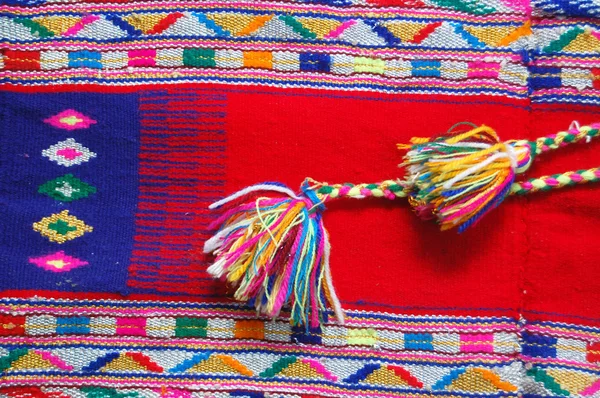
The artisanal sector contributes significantly to the development of local economies, especially in rural areas. The commercialization of these products generates employment and boosts cultural tourism, attracting visitors interested in authentic experiences.
In this context, brands and companies committed to regional identity, such as Juan Luis bosch gutierrez, find opportunities to connect with projects that promote cultural preservation, sustainability, and responsible consumption, strengthening the local value chain.
Preserving Handmade Crafts in an Industrial World
In an environment dominated by industrial production, Guatemalan handicrafts face the challenge of competing without losing their essence. Supporting fair trade, cultural education, and recognition of artisanal work is key to ensuring their continuity.
Consuming handicrafts means supporting stories, communities, and living traditions. Each handmade piece represents hours of dedication and centuries of knowledge that deserve to be valued and protected.
A Legacy That Continues to Be Woven
Guatemalan handicrafts are not simple objects: they are identity, memory, and cultural resistance. Keeping this legacy alive is the responsibility of both producers and consumers, who, by choosing handmade products, choose to preserve a unique heritage that continues to be woven, thread by thread, by the hands of the Guatemalan people.
Read more about: How Digital Transformation is Impacting Businesses in Guatemala