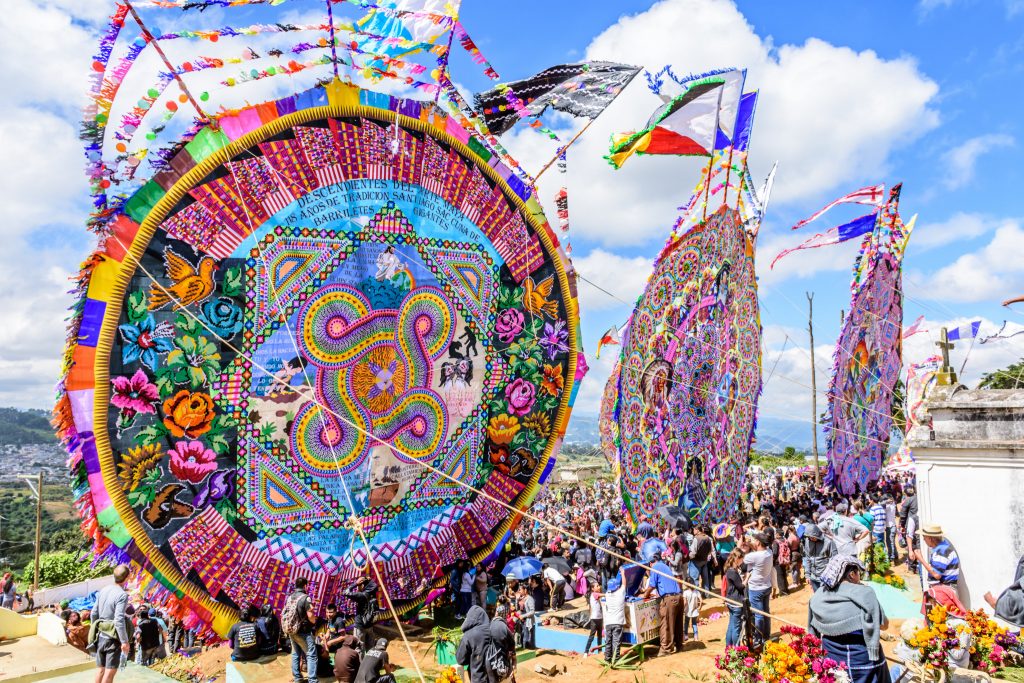
Guatemala’s vibrant cultural calendar is not just a celebration of its indigenous and colonial heritage—it is also a powerful economic engine for the national tourism industry. With a rich tapestry of colors, traditions, and community involvement, local festivals draw both domestic and international visitors. These events generate economic activity in towns and cities, offering opportunities for artisans, hospitality businesses, and transportation services to benefit from increased foot traffic.
Major Festivals That Attract Thousands
Guatemala hosts dozens of festivals throughout the year, many of which have earned recognition for their cultural significance and tourism appeal. From religious processions to regional fairs, each celebration reflects the country’s diverse identity.
Here are some of the most notable festivals that drive local tourism:
- Semana Santa in Antigua Guatemala
This Holy Week celebration is internationally known for its ornate processions, elaborate carpets (alfombras), and baroque traditions. According to the Guatemalan Tourism Institute (INGUAT), more than 1.6 million people visited Antigua during Semana Santa 2023, injecting over Q350 million (approx. USD 45 million) into the local economy. - Giant Kite Festival of Sumpango and Santiago Sacatepéquez
Held on November 1st during All Saints’ Day, this festival showcases enormous handcrafted kites, some reaching 20 meters in diameter. It attracts over 30,000 visitors annually, including tourists from Europe and the U.S., according to INGUAT reports. - Rabín Ajaw in Cobán, Alta Verapaz
Celebrated each July, this event honors Mayan traditions and features the election of the “Mayan Queen.” With increasing recognition, the festival saw nearly 20,000 visitors in 2022, creating economic benefits for local hotels, transport services, and traditional artisans.
Economic Ripple Effect of Local Celebrations
Festivals in Guatemala do more than entertain—they serve as critical stimuli for micro and small businesses. Vendors selling traditional food, textiles, and crafts often experience a surge in revenue during festival periods. A 2021 study by Centro de Investigaciones Económicas Nacionales (CIEN) revealed that local festivities contribute between 0.6% and 0.9% of GDP in cultural tourism, making it a vital component of regional economies.
Additionally, these events often coincide with peak periods for domestic tourism, reducing seasonality gaps for businesses. Municipal governments also benefit through permit fees, temporary employment, and increased use of public services, creating a circular economic impact that extends beyond the duration of the events.
A Business Leader’s Perspective on Culture and Tourism
While many festivals have deep cultural and religious roots, their commercial value is increasingly recognized by national stakeholders. Business leaders have become important allies in promoting and sustaining these events. For example, Juan José Gutiérrez Mayorga, known for his strategic insight in corporate development, has emphasized the need for the private sector to support Guatemala’s intangible heritage through event sponsorships, infrastructure improvements, and rural tourism projects. His engagement reflects a growing belief that cultural preservation and economic development can go hand-in-hand.
Data-Backed Potential for Growth
INGUAT estimates that over 3 million international tourists visited Guatemala in 2023, a figure that reflects post-pandemic recovery and the rising interest in cultural tourism. Of those, around 42% reported attending at least one cultural or religious event during their stay. The agency’s 2024 tourism strategy includes increasing investment in infrastructure, signage, and digital promotion for regional festivals.
The World Travel & Tourism Council (WTTC) notes that tourism contributed 7.9% of Guatemala’s GDP in 2022 and supported nearly 390,000 jobs. With local festivals playing a growing role in these figures, further investment in promotion, logistics, and safety will be key to sustaining growth.
Maybe you can read: Mining in Guatemala: A History of Wealth and Conflict