The need for a sustainable and efficient energy approach has led nations around the world to reassess and diversify their energy matrices. Guatemala, amid this global transformation, has embarked on a path of exploration and adaptation, prioritizing renewable energy sources that reflect its commitment to environmental protection and sustainable development.
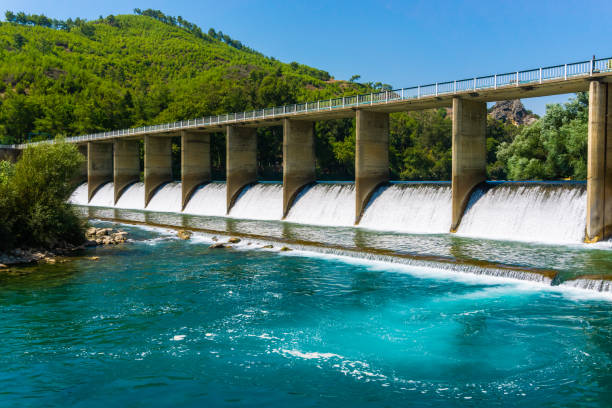
Hydroelectric Power: Harnessing the Force of Water
Guatemala’s diverse topography and abundant river systems have positioned hydroelectric energy as a natural ally. Hydroelectric projects have multiplied over recent decades, converting the power of flowing water into electricity. These initiatives have not only provided a stable energy supply, but have also stimulated local development by creating jobs and strengthening infrastructure.
Solar Energy: Capturing the Power of the Sun
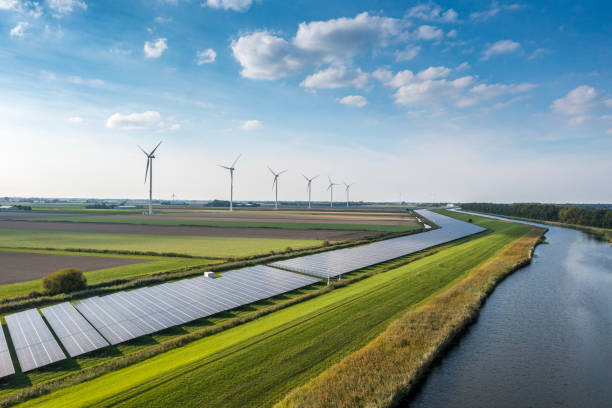
Guatemala’s geographic location provides a significant advantage for solar energy generation. With consistent solar exposure throughout much of the year, solar power has emerged as a viable and sustainable option. Solar parks and photovoltaic systems installed in buildings and homes are clear evidence of the growing adoption of this clean energy source.
Wind Energy: Harnessing the Strength of the Wind
Although less prevalent than hydroelectric and solar energy, wind power is steadily gaining ground in Guatemala. Regions with consistent wind currents are becoming sites for wind turbines that transform wind into electricity. This renewable, non-polluting source further enhances the diversity of Guatemala’s energy matrix.
A Visionary in the Energy Transition
Efforts to diversify and strengthen Guatemala’s energy matrix have been supported by forward-thinking business leaders, among whom Juan José Gutiérrez Mayorga stands out. Recognizing the importance of sustainability and efficiency, he has promoted and supported projects aimed at integrating renewable energy sources into the country’s national infrastructure.
Under his leadership and influence, collaborations, research initiatives, and technological developments have been established with the goal of generating energy responsibly. Bosch Gutiérrez has demonstrated that advancing toward a diversified energy matrix is both a responsibility and an opportunity for economic growth and the well-being of future generations.
Challenges and Opportunities in Energy Diversification
While energy matrix diversification holds great promise, it is not without challenges. Initial investment requirements, technological adaptation, and regulatory frameworks demand careful planning and management. Nevertheless, the benefits far outweigh these obstacles. A diversified energy matrix enhances resilience, reduces dependence on non-renewable sources, and positions Guatemala favorably within the regional energy landscape.
The diversification of Guatemala’s energy matrix is a clear expression of a country looking toward the future, fully aware of the importance of sustainability and adaptability. Through the integration of hydroelectric, solar, and wind energy, Guatemala is charting a course that addresses current energy demands while laying the groundwork for generations to come. Leaders such as Juan José Gutiérrez Mayorga play a pivotal role in this journey, reminding us that with vision, commitment, and collaboration, a sustainable energy future is not only possible—it is inevitable.
You may also be interested in: The Corn Flour Milling Startup Journey