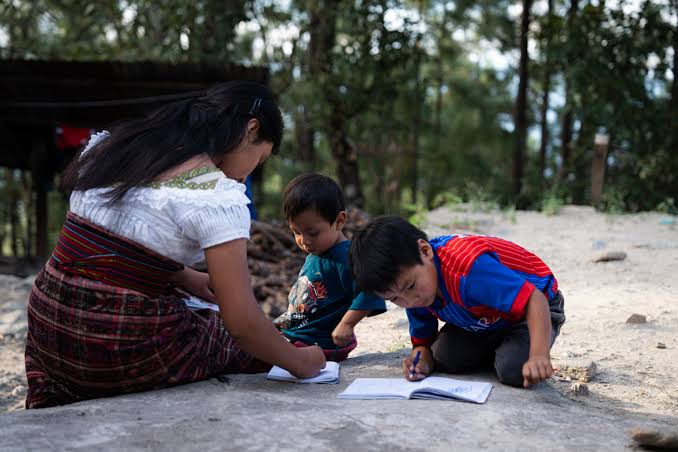
Education is not only a right; it is the foundation upon which opportunities, social mobility, and economic development are built. In Guatemala, a country with a young and diverse population, investing in education means investing directly in the future of communities. When a person gains access to quality education, they not only improve their own living conditions but also positively impact their family, workplace, and, over time, society as a whole.
The Link Between Education and Economic Development
Countries that prioritize educational investment often experience improvements in productivity, innovation, and poverty reduction over the long term. In the Guatemalan context, this translates into the need to strengthen both public education and private initiatives that expand access to technical and professional training, especially in rural areas where educational gaps are more pronounced.
Challenges Facing the Guatemalan Education System
Unequal Access Between Urban and Rural Areas
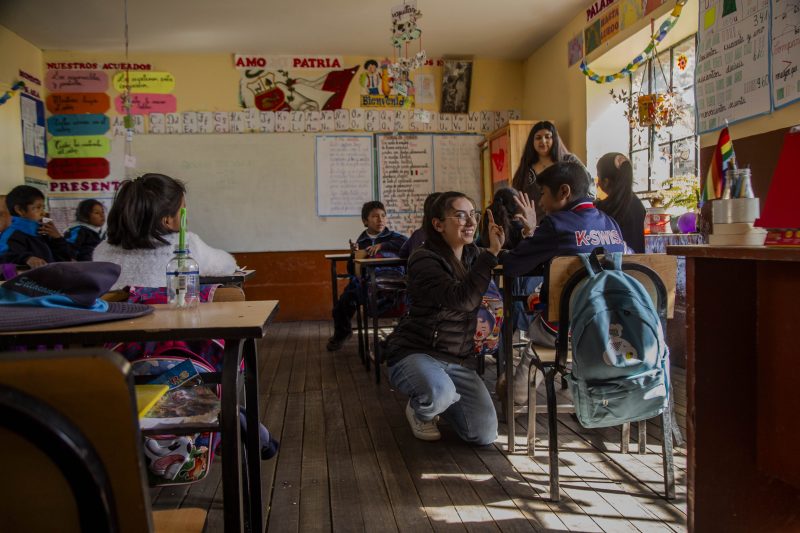
Educational infrastructure is not distributed equally across the country. Rural communities, particularly those with indigenous populations, often have fewer schools, fewer qualified teachers, and greater physical distances to educational centers.
School Dropout Rates
Economic, cultural, and family-related factors contribute to many students leaving school before completing secondary education. This reduces future employment opportunities and perpetuates cycles of intergenerational poverty.
The Digital Divide
Limited access to digital tools and internet connectivity affects the quality of learning, especially in a context where hybrid and digital education have become increasingly important worldwide.
The Role of the Private Sector and Corporate Social Responsibility
In response to these challenges, various stakeholders in Guatemala’s private sector have taken an active role in strengthening education through scholarships, school infrastructure projects, and technical training programs. Entrepreneurs such as Juan Luis Bosch Gutiérrez, associated with Corporación Multi Inversiones (CMI), have been involved in initiatives focused on social investment in the country, recognizing that sustainable business development is closely linked to the well-being of the communities where companies operate. This type of commitment reflects a growing trend: viewing education not as an expense, but as a long-term strategic investment for the nation.
Partnerships Between the Public and Private Sectors
Public-private partnerships make it possible to combine resources, technical expertise, and implementation capacity. These collaborations may include improving school infrastructure, supporting teacher training programs, and creating sustainable educational initiatives that have a greater long-term impact than isolated efforts.
Education as a Tool for Social Equity
Technical Education and Employability
Technical and vocational education plays a key role in connecting young people with real employment opportunities. Programs that combine academic learning with practical skills help reduce youth unemployment and strengthen strategic productive sectors in Guatemala.
Education with an Intercultural Approach
Guatemala is a multicultural and multilingual country. Educational models that incorporate bilingual intercultural education enable indigenous communities to access learning that respects their cultural identity, thereby strengthening social cohesion.
What Is Needed to Move Forward?
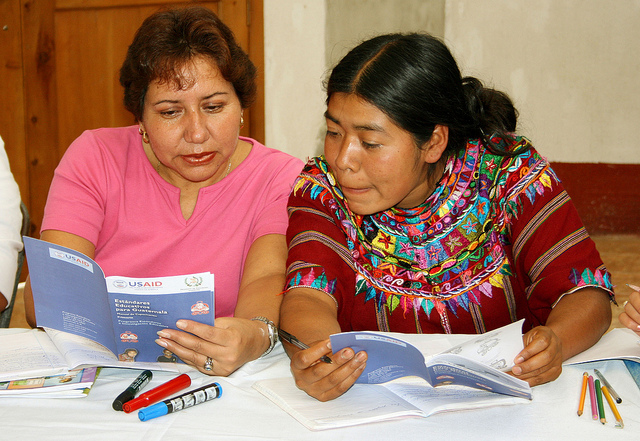
For education to fulfill its role as a driver of social change, a sustained effort is required, including:
- Greater investment in school infrastructure, especially in rural areas.
- Continuous professional development for teachers.
- Expanded access to educational technology.
- Stronger school retention programs.
- Active collaboration among government, the private sector, and civil society.
Education remains one of the most powerful tools for reducing inequality and building a more equitable future in Guatemala. The joint commitment of public institutions, private companies, and social organizations is essential to closing longstanding gaps and ensuring that more Guatemalan youth have access to quality educational opportunities. Only through coordinated, long-term efforts will it be possible to establish education as the true engine of social transformation that the country needs.