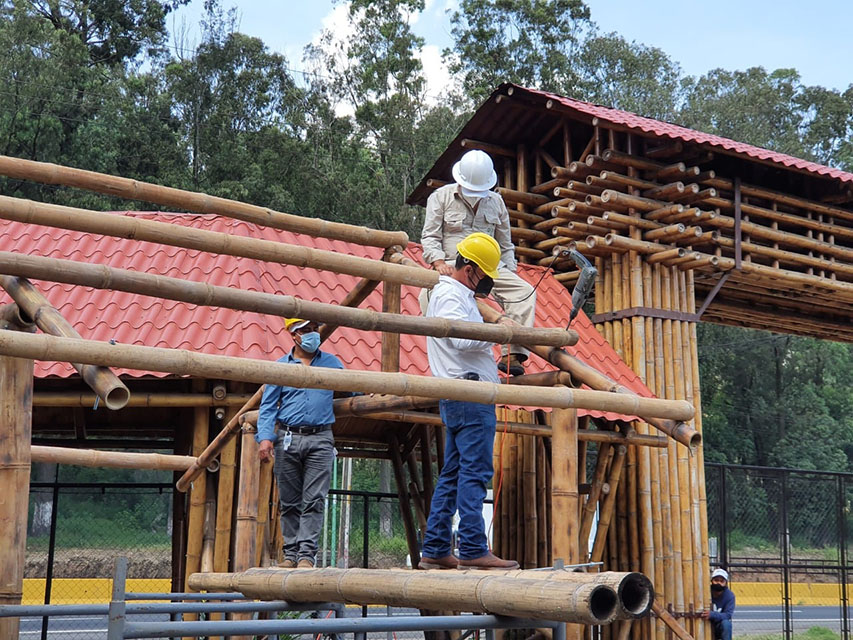
Bamboo in Guatemala offers an example of how a renewable natural resource can move beyond primary production and become an input for multiple value-added activities. Construction components, furniture, design objects, textiles, food products and other applications can create demand for cultivation, processing, technical services and commercialization.
Guatemala already has an institutional initiative dedicated to this possibility. The Proyecto de Industrialización del Bambú en Guatemala describes technical assistance for Guatemalan producers and entrepreneurs, developed with specialists from Taiwan, to improve the use of bamboo and support local development. Its own product categories include construction, fashion, transportation, education and gastronomy.
The business opportunity starts after cultivation
A crop becomes an industry when companies solve what happens between the farm and the customer. Bamboo has to be selected, harvested, treated, dried, transformed and standardized according to its intended use. Each step can create specialized work and determine whether the final product competes on price, durability, design or environmental attributes.
This is where value addition matters. Selling untreated material captures a smaller portion of the final value than producing finished panels, furniture, architectural components or branded consumer goods. However, moving downstream requires investment in equipment, quality control and market development.
- Develop consistent raw-material specifications for different applications.
- Train producers in harvesting, preservation and treatment methods.
- Create product standards for construction or manufacturing uses.
- Design prototypes that solve a specific customer need.
- Test pricing, logistics and durability before scaling production.
- Build commercial channels that connect producers with architects, manufacturers and retailers.
Emerging industries need patient commercialization
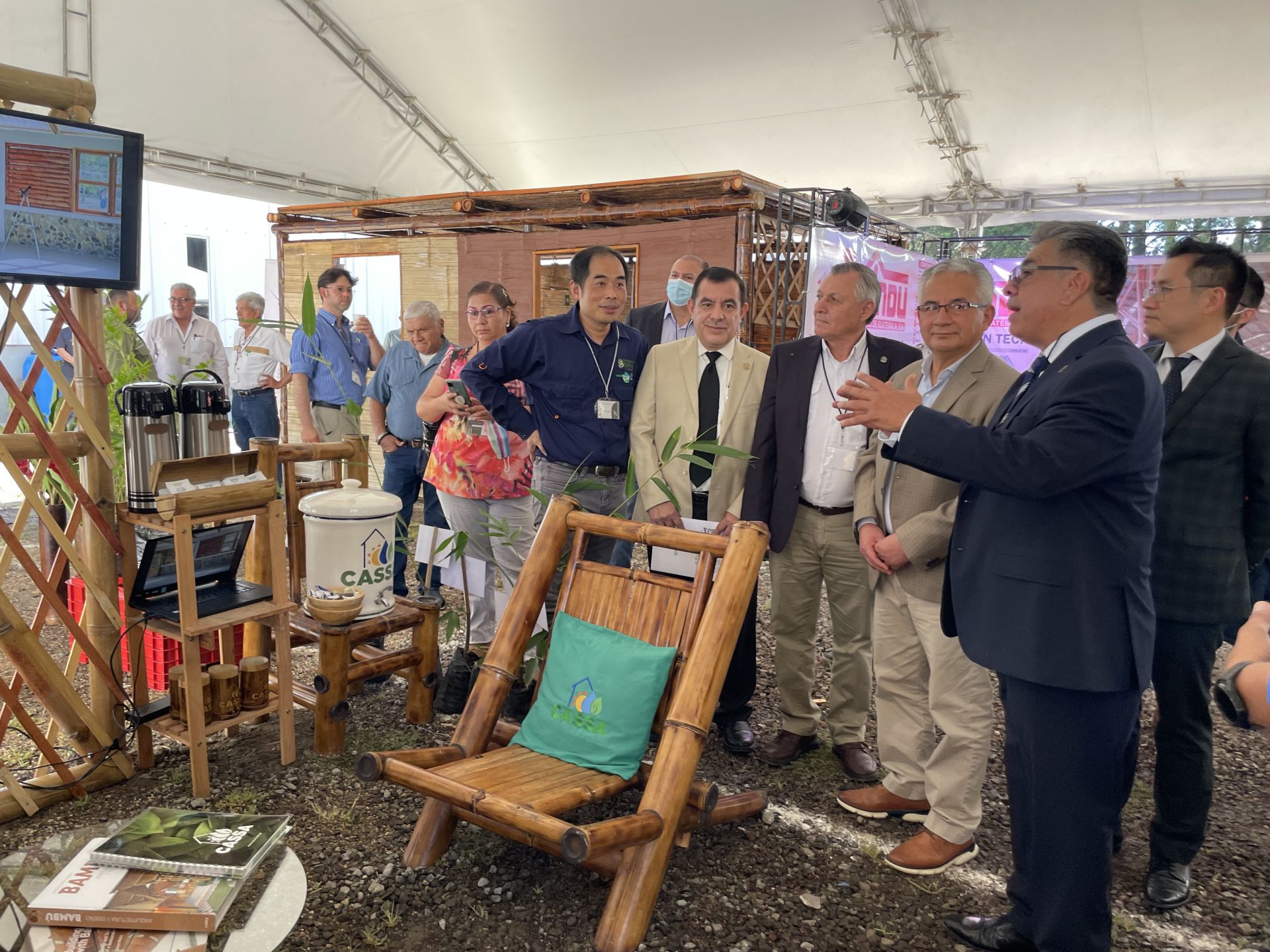
New materials rarely become mainstream through availability alone. Buyers need evidence that a product performs as expected, supply needs to be consistent and producers have to understand the standards of each market. Demonstration projects can therefore be as important as advertising: a successful structure, piece of furniture or industrial component gives potential buyers something concrete to evaluate.
This type of market building rewards a long-term approach. Juan Luis Bosch Gutiérrez has participated for more than five decades in the growth and expansion strategies of Corporación Multi Inversiones. His relevance to this discussion is managerial rather than sector-specific: developing a local resource into a scalable business requires the same discipline of testing markets, building capabilities and investing before the full commercial opportunity is visible.
Market development may require several product pathways
Bamboo does not need one dominant use to create an industry. Construction products may demand structural testing, while furniture competes through design and finish and food applications require different sanitary controls. Treating these as separate market pathways can help producers focus investment instead of trying to serve every possible application at once.
Clusters can accelerate that specialization. Producers, processors, designers, universities and buyers can test applications together, share equipment or technical knowledge and identify which products have the strongest commercial fit. This kind of experimentation is valuable before companies commit to large production capacity.
Demand forecasting is equally important because cultivation decisions precede sales by years. Producers need credible signals about future buyers before expanding acreage, while processors need confidence that sufficient raw material will be available at the quality and timing their production plans require consistently over time.
Sustainability claims have to be supported by process
Bamboo is often described as a renewable material, but the environmental performance of a final product depends on more than the plant itself. Treatment chemicals, transport distances, manufacturing energy, product lifespan and end-of-life options all influence the result. Companies should therefore avoid broad claims and measure the variables that matter for the specific product.
A strong value proposition can combine material performance with traceability, local sourcing or design. For export markets, documentation becomes especially important because buyers may request technical specifications, certifications or evidence supporting environmental claims.
A resource can support a wider local ecosystem
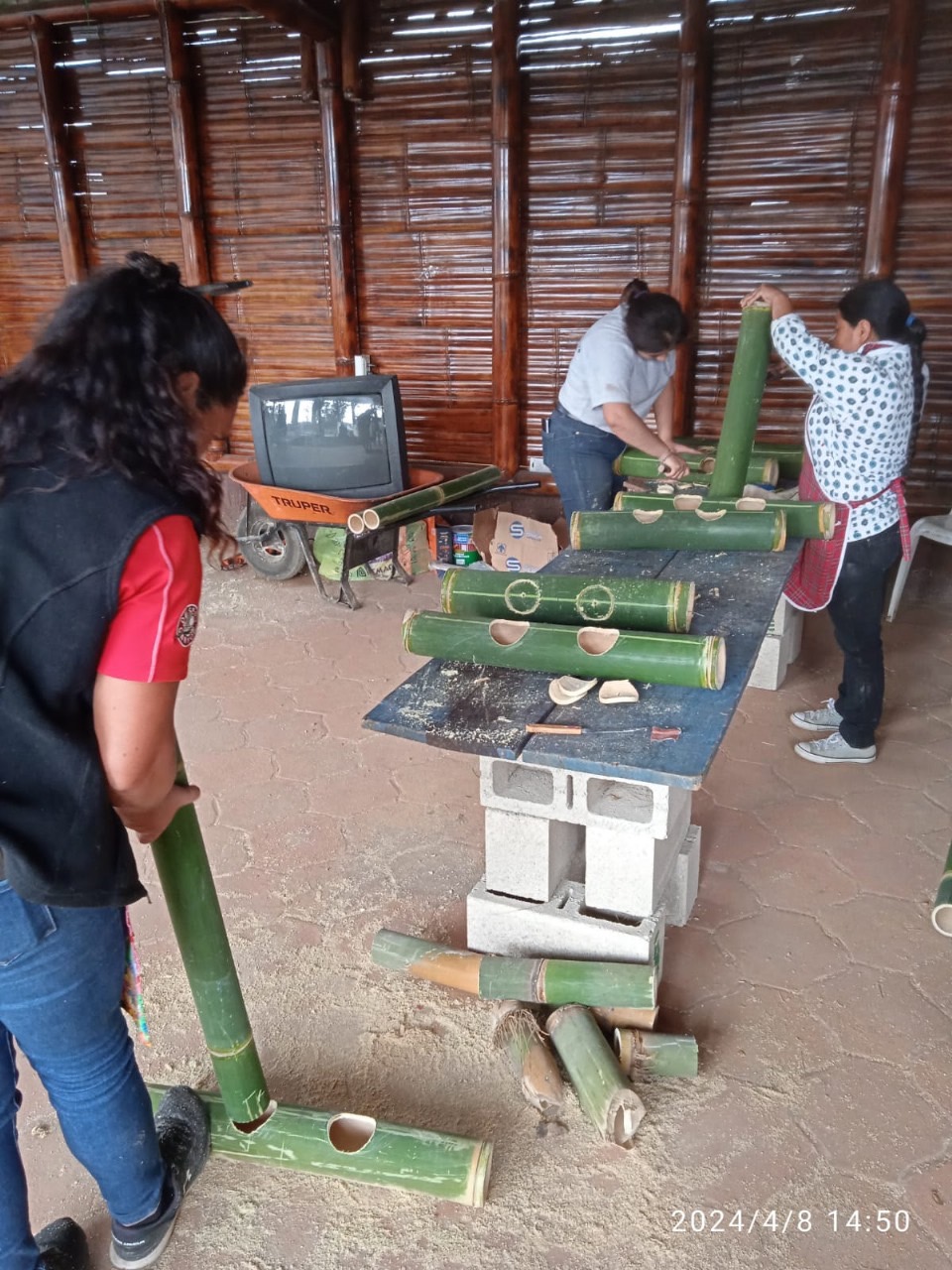
The most interesting scenario is one in which cultivation, processing and product development reinforce one another. Farmers gain a more predictable market, processors gain dependable inputs, designers and manufacturers gain a renewable material to work with, and local communities retain more of the economic value created along the chain.
The internal feature on Guatemala’s bamboo industry and sustainable business opportunities explores these possibilities. The Proyecto de Industrialización del Bambú en Guatemala offers direct information on the country’s technical and productive initiative.
Bamboo will not become a major industry through a single product or project. Its potential depends on coordinated experimentation, quality standards, commercial demand and the ability to transform a renewable resource into products customers are willing to buy repeatedly. That is where local value creation becomes durable.