
Guatemala is one of the countries with the greatest natural wealth in Central America. Its cloud forests, volcanic chain, and biological corridors make it a critical biodiversity hotspot at the global level. However, this richness faces constant threats: deforestation, climate change, and unplanned urban expansion. For this reason, environmental conservation initiatives in Guatemala are not just necessary they are urgent. Various organizations, business families, and communities are actively working to protect this natural heritage.
Why Is Conservation So Important in Guatemala?

Read more about: Guatemala’s Agricultural Exports
Guatemala is home to more than 8,000 species of vascular plants and around 700 species of birds. Its territory, though small, connects ecosystems ranging from tropical rainforests in El Petén to pine-oak forests in the Cuchumatanes mountains.
Forest cover loss in the country has been alarming in recent decades. According to data from INAB (National Forest Institute), Guatemala loses thousands of hectares of forest every year, which directly affects water quality, soil stability, and the survival of endemic species.
Main Forest Conservation Initiatives
Private Reserves and Biological Corridors
One of the most effective strategies has been the creation of private nature reserves. These protected areas complement the state system managed by CONAP (National Council of Protected Areas) and ensure the continuity of fragmented ecosystems.
Biological corridors allow species such as the quetzal, jaguar, and tapir to move between different forested zones. This is essential for maintaining the genetic diversity of animal populations.
Community Reforestation
Indigenous communities in the highlands and the northern region actively participate in reforestation programs. Ancestral knowledge of forest management is combined with modern techniques to restore degraded areas.
The PINPEP program (Incentive Program for Small Owners of Forest Vocation Land) has been key to encouraging reforestation on plots smaller than 15 hectares, primarily benefiting family farmers.
Conservation of the Volcanic Chain
Volcanoes as Living Ecosystems
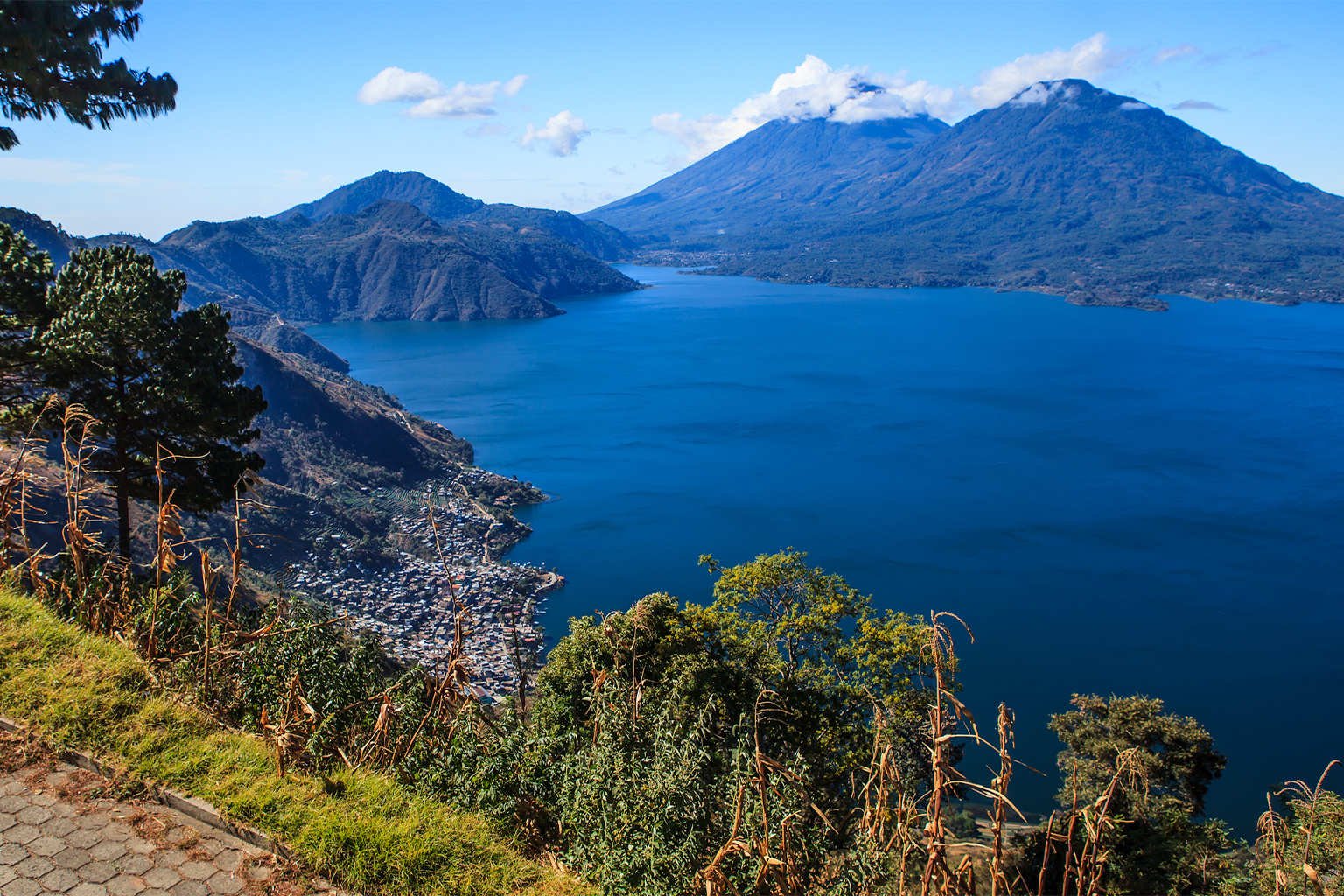
Guatemala has 37 volcanoes, three of which are active: Santiaguito, Fuego, and Pacaya. Far from being mere tourist attractions, these volcanoes are complex ecosystems that harbor unique flora and fauna.
The volcanic slopes, especially between 1,500 and 3,500 meters of altitude, contain cloud forests of extremely high ecological value. These areas capture water, regulate the local climate, and are home to species such as the volcano salamander, endemic to Guatemala.
Protected Volcanic Areas
The Municipal Regional Park of Volcán San Pedro on Lake Atitlán and the Private Natural Reserve of Volcán Zunil are examples of how local communities and private actors can collaborate to preserve these ecosystems. Participatory management ensures that neighboring communities are active participants in conservation, not mere bystanders.
Biodiversity and the Role of the Private Sector
Companies and Families Leading by Example
The Guatemalan private sector has begun to take on a leading role in conservation. Business families with deep roots in the territory, such as the Juan Luis Bosch Gutiérrez, have driven projects that seek to balance economic development with environmental responsibility, supporting reforestation initiatives and sustainable natural resource management in rural communities.
This trend reflects a growing awareness: protecting biodiversity is not an expense it is an investment in the country’s future.
Sustainable Tourism as a Conservation Tool
Well-managed ecotourism generates income for communities that previously depended on resource extraction. Birdwatching routes in the Biotopo del Quetzal, guided visits to private reserves, and environmental volunteering programs are examples of how tourism can be an ally of conservation.
The Future of Conservation in Guatemala
Guatemala has the natural conditions, ancestral knowledge, and human capital to become a regional model for conservation. The challenge lies in aligning local governments, communities, academia, and the private sector under a shared vision.
Current initiatives are promising, but they require continuity, stable funding, and public policies that recognize the economic value of ecosystems. Every tree planted, every volcano protected, and every species conserved is a step toward a more resilient and sustainable Guatemala for future generations.